
The Washington State Flower is the Coast Rhododendron (Rhododendron macrophyllum). It was chosen not merely for beauty, but because its roots and blooms reflect something deeper about the place it represents. Washington’s identity is wrapped up in towering evergreens, misty mountain slopes, and seaside breezes. Nestled within that landscape, a plant of striking blossoms quietly holds a place of honor.
Here, we explore what makes this flower meaningful. How it was chosen. Its botanical identity. How to grow it. And why it still matters in modern world.
What Is the Washington State Flower?
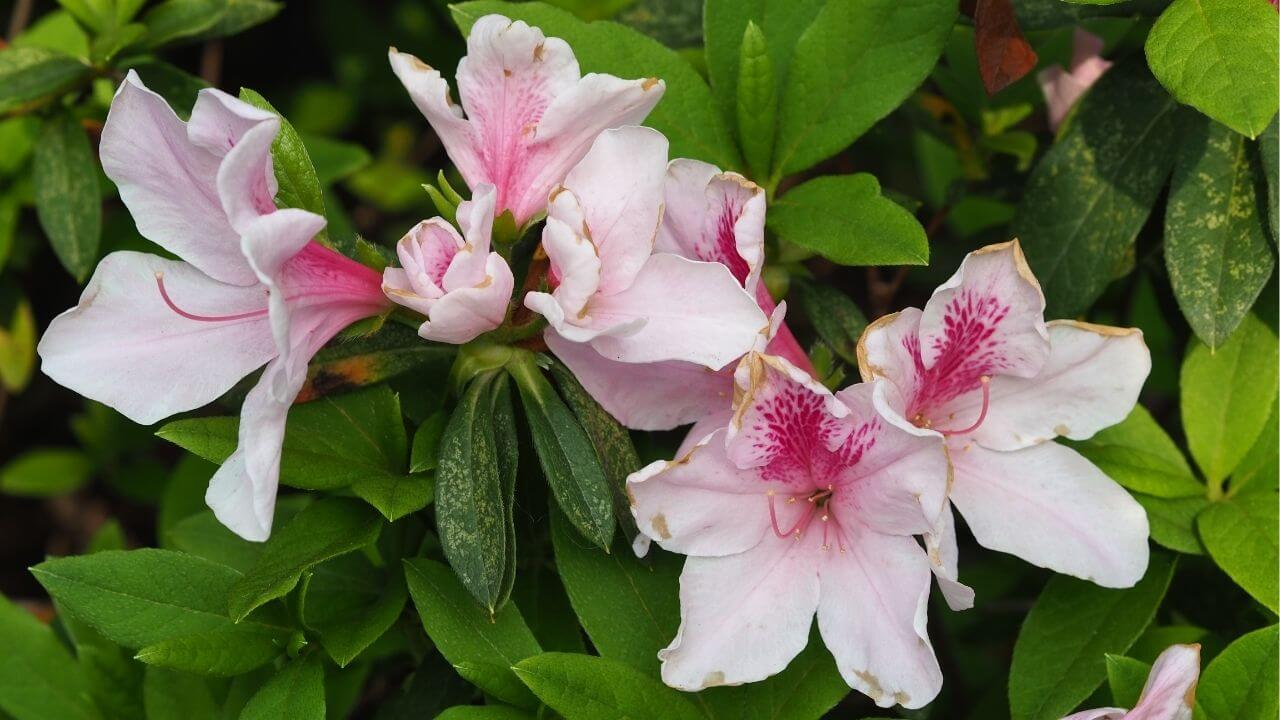
Simply, the Washington State Flower is the Coast Rhododendron, scientifically named Rhododendron macrophyllum. Known locally as the Pacific rhododendron or rhody. This evergreen shrub grows naturally in the Pacific Northwest. Especially west of the Cascade Mountains. Its clusters of pale pink to rosy blossoms appear from late spring into early summer and have become visual shorthand for the region’s lush wild beauty.
How Pacific Rhododendron Was Chosen?
In 1892, a remarkable grassroots selection process unfolded. Women throughout Washington were asked to pick a flower to represent the state at the 1893 Chicago World’s Fair. At a time when women did not yet have full voting rights, they cast ballots from multiple candidates, and Rhododendron macrophyllum emerged as the winner over clover and other native contenders.
Though that selection was informal, it stuck. In 1959, the Washington State Legislature formally designated the Coast Rhododendron as the state flower, cementing its official status and honoring a choice rooted in community participation.
This story carries symbolic weight: a native plant chosen by everyday residents long before universal suffrage. Connecting civic history with natural heritage.
Straight to point:
- The Year: 1892 (a year before the Chicago World’s Fair).
- The Voters: Only women were allowed to vote for the flower. At a time when they couldn’t yet vote in government elections!
- The Competition: The Rhododendron beat out “Clover” and several other native plants.
- The Status: It was the “unofficial” choice for 67 years until the state made it official in 1959.
What the Washington State Flower Means
The Coast Rhododendron embodies more than scenic beauty. In Washington’s cultural imagination, this shrub evokes:
- Resilience: Evergreen leaves and robust growth reflect a plant adapted to damp winters and mild summers.
- Spring’s Promise: Its bright blossoms signal seasonal change after long grey months.
- Local Identity: Because it grows abundantly in the wild across Washington, it feels less like an imposed emblem and more like a familiar friend on forest edges.
For educators and students, it’s a living symbol of how public voice and natural environment together shape regional identity.
Botanical Details of the Coast Rhododendron
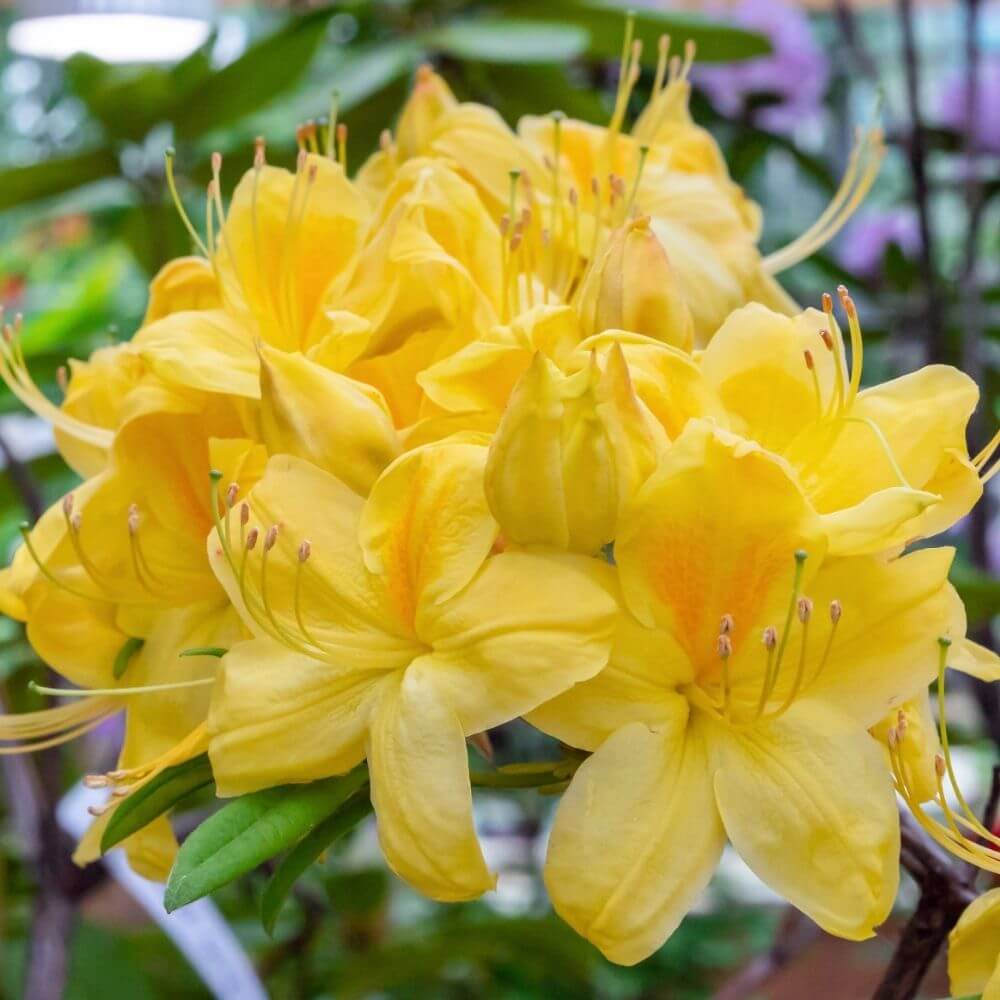
What Kind of Plant Is It?
According to university Master Gardeners at UC Agriculture and Natural Resources:
- Rhododendron macrophyllum is a broadleaf evergreen shrub in the heath family (Ericaceae).
- It typically grows between 6–15 feet tall in the wild, though in ideal conditions it can reach much taller.
- Its leathery, dark green leaves stay through winter, offering year-round texture to forests and gardens alike.
The flowers appear in large clusters (trusses) of 15–20 blooms. Their bell-shaped blossoms range from light pink to deeper pinks, and occasionally white forms are observed. Read more on ucanr.edu
Where it Grows (Natural Habitat)
- The Region: It loves the Pacific Coast, stretching from British Columbia down to Northern California.
- The “Vibe”: You’ll usually find it hiding under big trees like Douglas-firs or Western Hemlocks.
- The Dirt: It’s picky! It only likes well-drained, acidic soil.
How To Grow the Washington State Flower
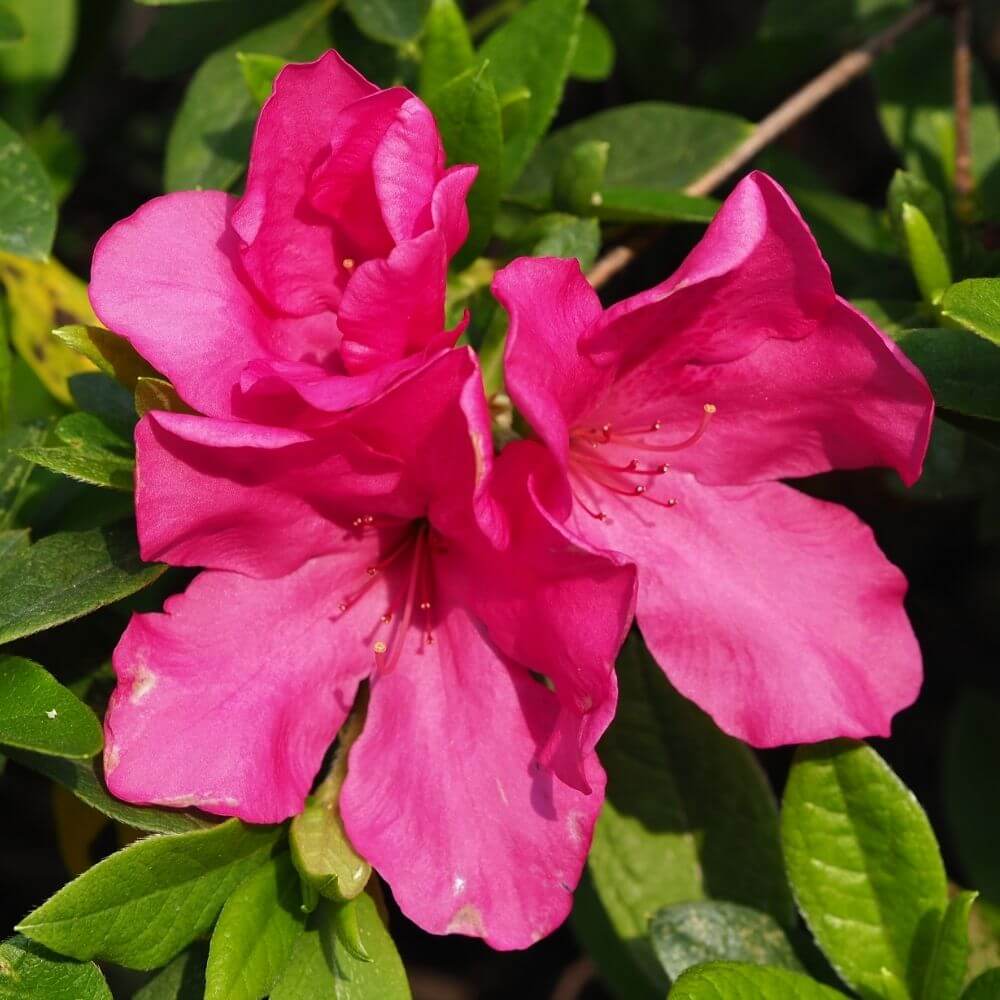
For garden lovers hoping to grow the Washington State Flower at home, success depends on mimicking its natural environment:
Soil:
Rich, acidic soil (pH 4.5–6.0) with good drainage is ideal. Pine needles or bark mulch help maintain the right acidity.
Light:
Partial shade works best. Too much strong sun can scorch leaves, but deep shade can reduce blooms.
Water:
Consistent moisture is important. Keep the soil damp. Not soggy, especially during dry spells. Mulch helps retain moisture.
Zones:
It’s best suited to USDA Zones 7–9, aligning with much of the Pacific Northwest climate.
Real gardeners in Seattle and across western Washington frequently share stories of rhodies flourishing under familiar oaks or nestled along woodland trails. A testament to the plant’s adaptability when its basic needs are met.
Why Pacific Rhododendron Wins at Survival (Ecology)
The U.S. Forest Service research shows this plant is a “survivor” because:
- Adaptive: It can live at many different altitudes (from the beach to the mountains).
- Community Player: it grows perfectly alongside other PNW shrubs and seedlings, creating a “complex forest community.”
- Flexible: Its ability to grow in different conditions is exactly why it was a perfect choice for a state emblem.
Read More on U.S. Forest Service Website .This research underscores the species’ ecological flexibility. A quality that helps explain its widespread presence and suitability as a state emblem.
Why the Coast Rhododendron Matters Beyond History
Many general overviews focus on history and botany, but few consider how choosing a native plant as a state symbol can influence conservation awareness. The Coast Rhododendron serves as an accessible touch point for discussions about native plant landscaping, habitat restoration, and biodiversity. Encouraging communities to recognize and plant native species supports pollinators, maintains soil health, and preserves ecological integrity.
Rather than seeing the state flower as a static emblem, we can embrace it as a gateway to deeper environmental stewardship. Especially in areas like Seattle, where urban expansion and habitat fragmentation challenge backyard biodiversity.
Coast Rhododendron vs Other Contenders
In the 1892 vote, Rhody beat clover and other nominees. Clover, while common and hardy, lacked the visual impact and native rootedness of the rhododendron. By contrast, the Coast Rhododendron offered both striking spring color and a story tied to place. Qualities that helped it endure as a cultural and botanical icon.
FAQs About State Flower of Washington
Why was the Washington state flower chosen?
The Coast Rhododendron was picked in 1892 by Washington women for the Chicago World’s Fair. This grassroots vote happened before women had the legal right to vote in government elections. It beat clover and other plants because of its striking beauty and native roots in the region. The state legislature officially confirmed the choice in 1959 to honor this unique history.
What is the symbolism of the Washington state flower?
It symbolizes the 'Evergreen State' spirit because its leaves stay green and hardy all year. The pink blossoms represent hope and spring’s arrival after the Northwest’s long, grey winters. To locals, it stands for resilience and a deep connection to the wild, misty forest landscape. It serves as a living bridge between Washington’s natural beauty and its early civic history.
What symbolizes Washington state in the natural world?
The Coast Rhododendron is the lead botanical symbol for Washington’s lush, acidic forest floors. It is often paired with the Western Hemlock tree to represent the state's rugged, misty identity. These symbols together reflect a landscape that is both beautiful and durable in maritime weather. Growing from the coast to the mountains, it represents the state's vast geographical diversity.
Why don't rhododendrons flower in some Washington gardens?
A lack of blooms often happens when the plant is in too much shade to gain energy. If the soil isn't acidic or lacks nutrients, the plant won't produce its famous flower clusters. Late spring frosts can also kill off the delicate flower buds before they get a chance to open. Pruning at the wrong time of year can accidentally cut off the buds meant for the next season.
What is the difference between the Coast Rhododendron and other garden rhodies?
The Coast Rhododendron is a wild native species that evolved naturally in the Pacific Northwest. Most nursery 'garden' types are hybrids bred by humans for larger flowers or specific colors. Native versions are better for local pollinators and are perfectly adapted to the local rainfall. While hybrids are flashier, the native flower is prized for its history and survival in the wild.
A Flower With Roots in Place and People
The Washington State Flower isn’t just a botanical entry in an almanac. It’s a living emblem shaped by natural ecology and local voices. Its selection through a community vote, long before women could vote statewide, adds a layer of historical depth. The plant’s hardy nature reflects the evergreen spirit of the region, from the Olympic Peninsula to garden paths in Seattle.
If you’re a student learning abut regional symbols. A gardener planning your spring planting. or someone who appreciates meaningful connections between place and plant, the Coast Rhododendron invites you to look closer at the stories that flourish around us.
To deepen your knowledge and explore more about flowers and their special meanings, check out these related reads: