
If you’re looking for unique and unusual blooms, flowers that start with K are a fascinating place to begin. While many people know popular flowers like roses and lilies, there are plenty of beautiful K-named flowers that often go unnoticed. Learning about these rare plants can help gardeners, flower lovers, students, and nature enthusiasts discover new varieties and expand their knowledge of the plant world. In this article, you’ll learn 15 flowers that start with K, along with their names, pictures, and interesting facts to help you recognize and appreciate these lesser-known blooms.
Popular K Flowers You See Everywhere
These are the common names that usually appear in lists of Beautiful flowers that start with K:
- Kalanchoe – A popular succulent houseplant with long-lasting blooms.
- Kangaroo Paw – Known for its fuzzy, claw-shaped flowers.
- King Protea – A dramatic flower often used in luxury bouquets.
- Knautia – A meadow-style favorite, especially purple varieties.
Now let’s move beyond the obvious.
15 Flowers That Start With K You’ve Never Heard Of
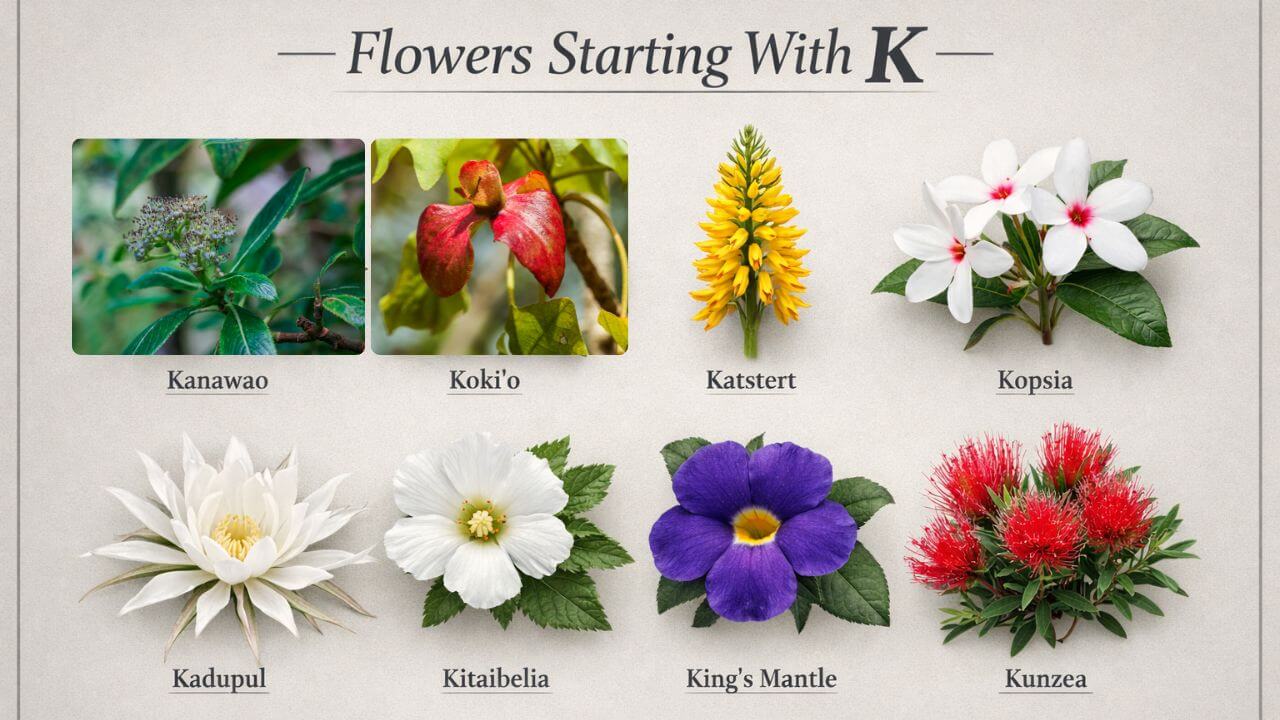
Here are 15 uncommon flowers beginning with K. These are perfect for collectors, botanical enthusiasts, and anyone building a truly unique garden.
- Kelkiewyn (Geissorhiza eurystigma)
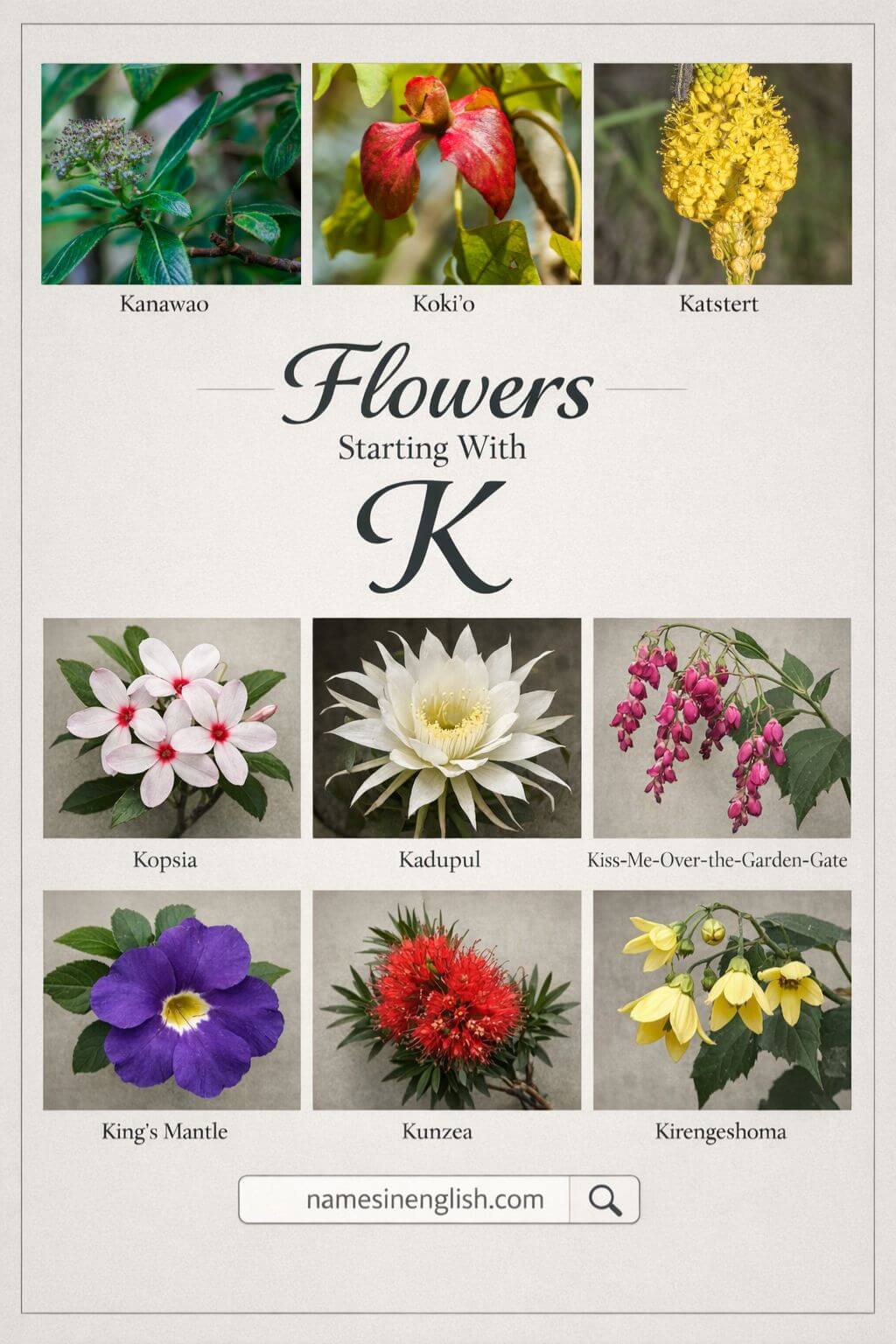
- Kanawao (Broussaisia arguta)
- Koki’o (Kokia drynarioides)
- Katstert (Bulbinella nutans)
- Kopsia (Kopsia fruticosa)
- Kadupul (Epiphyllum oxypetalum)
- Kiss-Me-Over-the-Garden-Gate (Persicaria orientalis)
- King’s Mantle (Thunbergia erecta)
- Kunzea (Kunzea baxteri)
- Kirengeshoma (Kirengeshoma palmata)
- Kitaibelia (Kitaibelia vitifolia)
- Knautia (Knautia macedonica)
- Korolkowia (Korolkowia sewerzowii)
- Kosteletzkya (Kosteletzkya virginica)
- Kigelia (Kigelia africana)
Now let’s explore what makes each one special.
1. Kelkiewyn (Geissorhiza eurystigma)
Kelkiewyn is one of those tiny treasures that serious bulb collectors quietly admire. Native to South Africa’s winter-rainfall regions, this small corm produces star-shaped blooms that look almost hand-painted. The petals are usually soft lavender, cream, or pale pink, but what truly sets them apart are the bold, dark central markings that create a dramatic eye. When planted in clusters, the contrast becomes even more striking. It thrives in well-drained soil and Mediterranean-style climates, rewarding patient gardeners with an early spring display. For anyone searching for spring flowers that start with K, this one offers beauty in miniature form, delicate yet unforgettable.
The flowers listed here are so rare that its very difficult to find there free useable images. You can view detailed photos of Geissorhiza eurystigma at this SANBI plant profile.
2. Kanawao (Broussaisia arguta)
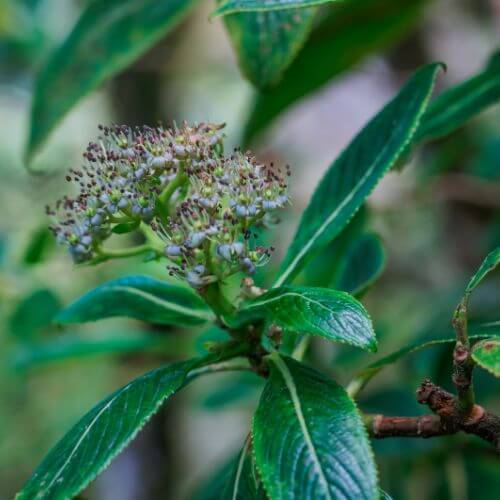
Kanawao brings a gentle tropical charm to the garden. Native to Hawaii, this shrub produces soft pink clusters that feel almost airy against its lush green foliage. In its natural habitat, it grows in moist mountain forests, often contributing to the delicate ecological balance of island ecosystems. Hawaiian native plants like this face increasing pressure from habitat loss and invasive species, which makes Kanawao even more meaningful to grow in conservation-focused collections. Its subtle beauty may not scream for attention, but that’s part of its appeal. It feels authentic, grounded, and deeply connected to place.
3. Koki’o (Kokia drynarioides)
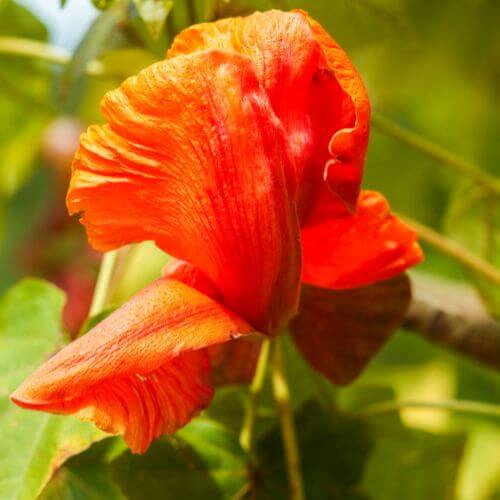
Koki’o is not just rare. It is historically significant. Once believed extinct in the wild, this Hawaiian native was rediscovered and preserved through careful propagation efforts. Its hibiscus-like flowers glow in shades of red to orange, standing out brilliantly against its gray-green leaves. The story behind this plant adds emotional depth to its beauty. Growing Koki’o is not simply about aesthetics; it is about participating in the preservation of botanical heritage. When you see it bloom, you are witnessing resilience and human dedication to conservation.
4. Katstert (Bulbinella nutans)
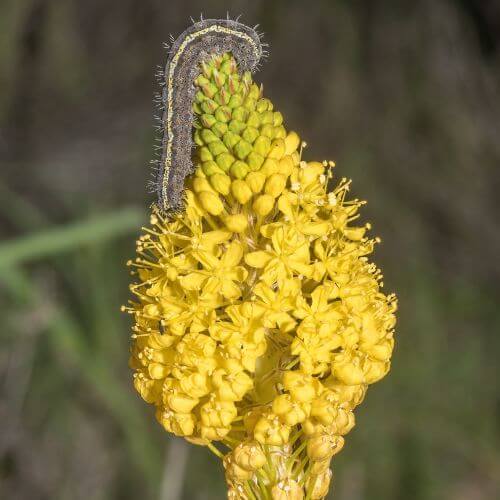
The name Katstert translates to Cat’s Tail, and once you see the flower, it makes perfect sense. The bright yellow or orange blooms mass together on tall, upright stems, creating movement and energy in the garden. Native to the damp, winter-rainfall areas of South Africa, it is a spectacular sight in the spring.
5. Kopsia (Kopsia fruticosa)
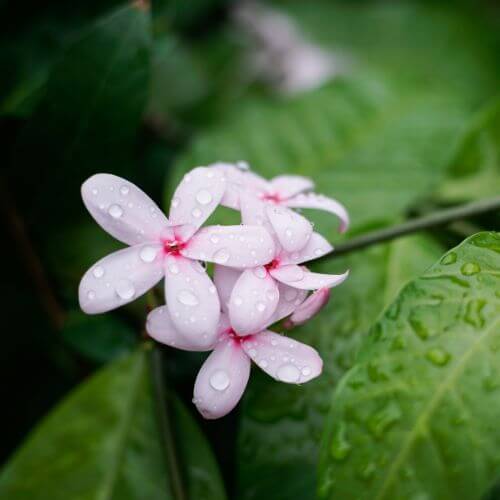
Kopsia is refined and polished. With glossy evergreen leaves and pure white or blush-pink blooms, it feels at home in tropical courtyards and elegant landscapes. The flowers have a clean, symmetrical form that designers appreciate for their simplicity. In Southeast Asia, it is often planted as a decorative shrub along walkways or garden edges. What makes it special is its balance. It manages to look lush without appearing messy. For florists and designers, it offers a crisp, modern aesthetic that pairs beautifully with minimalist arrangements.
6. Kadupul (Epiphyllum oxypetalum)
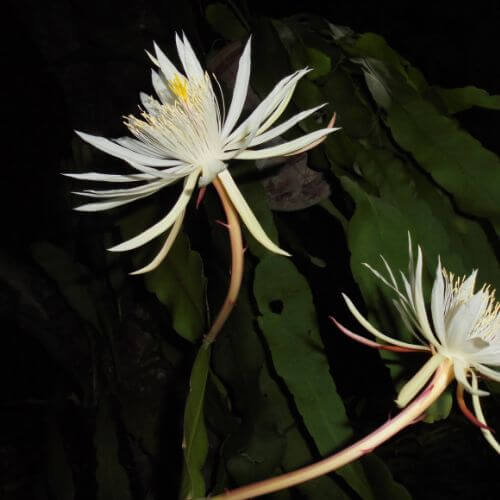
Kadupul is often called the Queen of the Night, and that title feels earned. This cactus produces a large, luminous white bloom that opens only after sunset and fades by morning. The fragrance is intense and sweet, filling the air with a perfume that feels almost magical. In Sri Lanka, it carries cultural symbolism and is often associated with fleeting beauty. Watching a Kadupul bloom feels like witnessing a private performance. You wait patiently all year, and then one night, it unfolds in full glory before disappearing again. Among beautiful flowers that start with K, few carry this sense of mystery and anticipation.
7. Kiss-Me-Over-the-Garden-Gate (Persicaria orientalis)
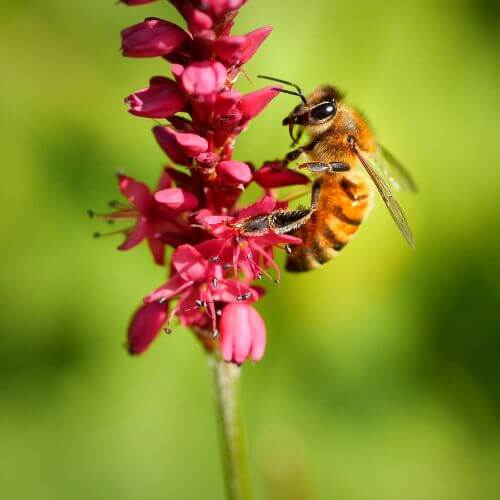
With its romantic name and cascading pink tassels, this annual feels like it belongs in a storybook cottage garden. It grows quickly and can reach impressive heights, sometimes up to eight feet in a single season. The drooping clusters sway gently in the breeze, adding softness and vertical interest to borders. Gardeners who love old-fashioned charm often plant it along fences or at the back of flower beds. As one of the more eye-catching annual flowers that start with K, it brings height, movement, and a touch of nostalgia.
8. King’s Mantle (Thunbergia erecta)
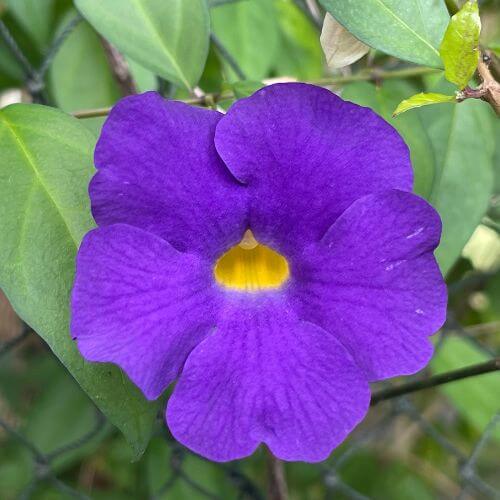
King’s Mantle offers a deep, velvety purple-blue bloom with a bright yellow throat at its center. The contrast is bold and instantly attractive. In warm climates, it can flower nearly year-round, making it a reliable source of color in tropical and subtropical gardens. Its rich hue makes it a favorite for anyone specifically searching for purple flowers that start with K. When planted in groups, the color effect becomes even more dramatic, especially against green foliage or pale garden walls.
9. Kunzea (Kunzea baxteri)
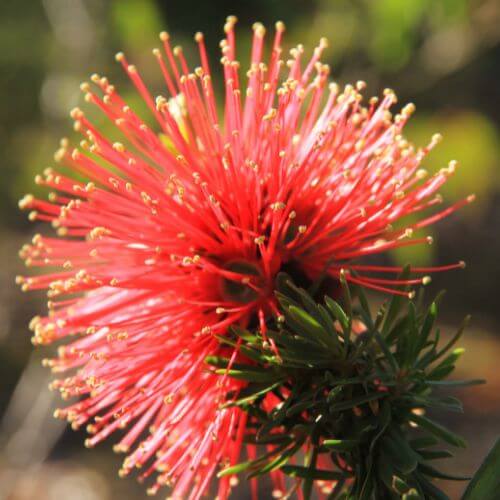
Kunzea brings a distinctly Australian character to the landscape. Its feathery red blooms resemble bottlebrush flowers and attract pollinators such as bees and birds. As water scarcity becomes a growing concern in many regions, drought-tolerant native shrubs like Kunzea are gaining attention in sustainable landscaping. It thrives in well-drained soil and tolerates dry conditions once established. The plant feels wild yet controlled, perfect for gardeners who want resilience without sacrificing visual impact.
10. Kirengeshoma (Kirengeshoma palmata)
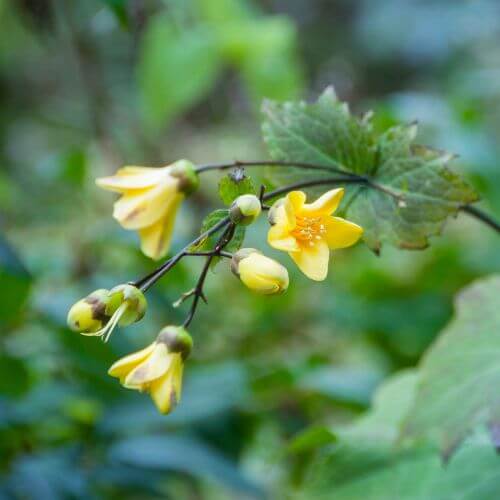
Kirengeshoma is a shade lover’s dream. Its soft yellow, lantern-shaped flowers hang gently beneath broad, textured leaves. Native to Japan and Korea, it thrives in woodland gardens where many sun-loving flowers would struggle. The blooms appear in late summer, adding color at a time when shade beds often look tired. There is something graceful about its posture. It does not demand attention loudly. Instead, it rewards close observation. For whimsical or fairy-themed gardens, it offers a delicate and enchanting presence.
11. Kitaibelia (Kitaibelia vitifolia)
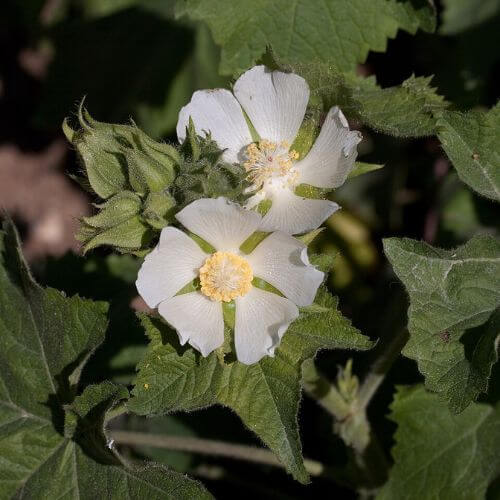
Image by Denis.prévôt lisensed under ShareAlike 3.0 Unported, File Link: commons.wikimedia.org
Kitaibelia is tall, elegant, and quietly impressive.Originating from Eastern Europe, this perennial produces large, papery white blooms that often carry a delicate pale-pink blush. Its prominent yellow centers and height make it ideal for the back of borders, where it can create a soft floral backdrop. Pollinators are often drawn to its open blooms, adding movement and life to the space. In cottage gardens, it blends beautifully with roses and ornamental grasses, creating a layered, romantic look.
12. Knautia (Knautia macedonica)
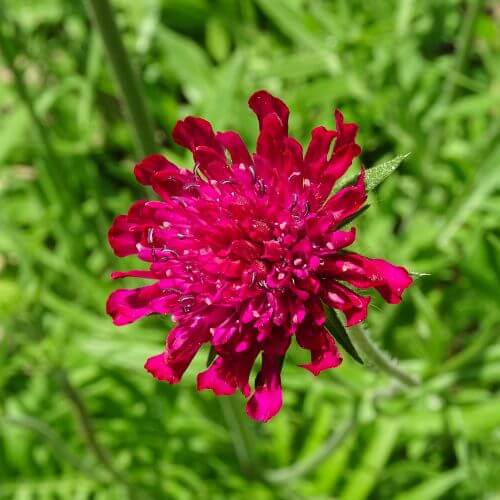
Knautia macedonica may not be entirely unknown, but it remains underappreciated. Its deep burgundy-red flowers hover above slender stems, attracting butterflies throughout the growing season. Unlike many rigid perennials, Knautia has a relaxed, airy habit that works well in prairie-style plantings. It weaves through other plants instead of overpowering them. Gardeners who value naturalistic design often rely on it to create a meadow-like feel.
13. Korolkowia (Fritillaria sewerzowii)
Korolkowia is a collector’s bulb from Central Asia. Its tall stems carry nodding greenish flowers edged in maroon, creating a subtle yet intriguing color combination. The tulip-like structure makes it appealing to bulb enthusiasts who want something beyond the ordinary spring display. It thrives in well-drained soil and prefers conditions similar to alpine or steppe regions. Because it is rarely seen in mainstream nurseries, owning it feels like possessing a hidden gem.
I couldn’t find a free image of this rare flower to display here. Please refer to this Wikipedia entry for photos and additional information on Fritillaria sewerzowii. Royalty-free images of rare species are difficult to find.
14. Kosteletzkya (Kosteletzkya virginica)
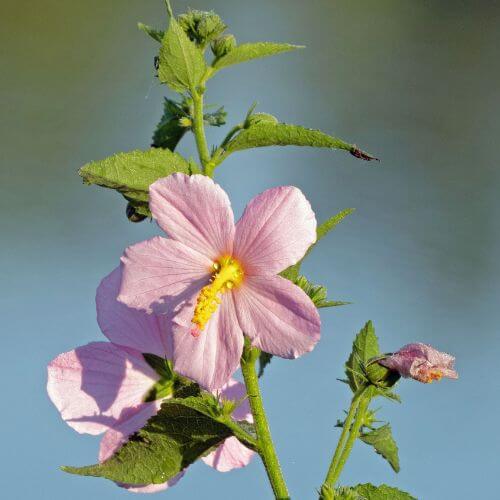
Commonly known as seashore mallow, Kosteletzkya is built for tough environments. It thrives in salty soils and coastal areas where many plants fail. Soft pink hibiscus-like blooms appear during summer, bringing brightness to otherwise challenging landscapes. Its ability to tolerate salinity has made it interesting for coastal restoration and sustainable landscaping projects. For gardeners living near the sea, it offers beauty without constant struggle.
15. Kigelia (Kigelia africana)
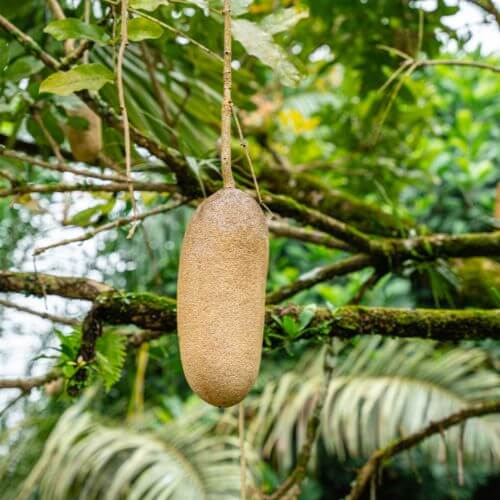
Kigelia, often called the Sausage Tree, is impossible to ignore. Native to Africa, it produces large, dramatic red flowers that hang from long stalks and are pollinated primarily by bats. After flowering, heavy sausage-shaped fruits develop, sometimes weighing several kilograms. In botanical gardens and safari landscapes, it becomes an instant conversation starter. The sheer size and unusual form make it memorable. It is not a small backyard plant, but where space allows, it delivers spectacle unlike almost any other flowering tree.
Why Rare Letter-Based Gardening Should Grow
While alphabet gardening, the playful trend of collecting plants from A to Z, starts as a hobby, it is quickly becoming a vital act of botanical preservation. As collectors hunt for rare K species like the Kirengeshoma or the nearly extinct Koki’o, they are stepping into a global effort to save plant history.
The 45% Warning
The botanical world is currently at a critical crossroads. According to the groundbreaking Global Plant Diversity and Distribution collection, published in coordination with the Royal Botanic Gardens, Kew, the numbers are sobering:
- 45% of all flowering plants are now predicted to be at risk of extinction.
- Climate Change & Habitat Loss are outpacing our ability to document new species.
- 3 in 4 undescribed plants (species we know exist but haven’t officially named) are already threatened.
How Your Garden Fights Back
By choosing to grow diverse, rare, or heritage seeds. Specifically those hard-to-find letters like K. You are doing more than decorating a yard, you are helping to maintain genetic diversity.
When you source K flowers like the Seashore Mallow (Kosteletzkya virginica) from ethical, native nurseries, you are:
- Supporting Biodiversity: Creating a refuge for pollinators that rely on specific plant lineages.
- Raising Awareness: Turning your garden into a conversation starter about the Nature Emergency.
- Preserving Heritage: Keeping rare scientific taxa alive outside of struggling wild habitats.
How to Choose the Right K Flower for Your Garden
Choosing from these Flowers That Start With K depends less on the letter and more on your climate, space, and gardening goals. Some of these plants are quiet woodland companions. Others are bold tropical statements. A few are true collector’s treasures that reward patience and curiosity.
Start by thinking about your garden conditions first, then match the plant to the environment. If your garden has limited sunlight, especially under trees or along shaded walls, Kirengeshoma is a safe and elegant choice. It thrives in woodland-style beds and offers soft yellow lantern-shaped blooms late in the season when shade gardens usually need fresh color.
For warm or tropical climates, you have stronger options:
- Kopsia brings glossy foliage and refined white or pink blooms that look polished year-round.
- King’s Mantle adds rich purple-blue color and flowers generously in heat.
Collectors who enjoy rare or unusual species may gravitate toward:
- Kelkiewyn, prized for its striking central markings.
- Korolkowia, a bulb that feels like a botanical secret.
- Koki’o, which carries conservation history along with its vivid blooms.
If you want fast seasonal impact, especially in cottage-style beds, Kiss-Me-Over-the-Garden-Gate grows quickly and adds impressive vertical height in just one season. And for gardeners who love bold, unforgettable plants, Kigelia delivers pure drama. Its hanging red flowers and massive fruit turn any large landscape into a conversation piece. The key is simple. Match the plant to your climate, your available space, and the kind of visual story you want your garden to tell. When chosen thoughtfully, even a rare K flower can feel perfectly at home.
FAQs About Flowers Starting With K
What common flowers start with the letter K?
The most common K-flowers found in nurseries are Kalanchoes (succulents), Kangaroo Paws (Anigozanthos), King Proteas, and Knautia (Scabious).
What is the 'Queen of the Night' flower that starts with K?
That is the Kadupul flower (Epiphyllum oxypetalum). It is a cactus blossom that only opens at night and wilts before dawn, making it one of the most mysterious and celebrated flowers in the world.
What is a yellow flower that starts with K?
The Kirengeshoma (Yellow Wax Bells) is a stunning shade-loving perennial with soft yellow, lantern-shaped flowers. Kerria japonica is another popular choice, known for its bright yellow, pom-pom-like blooms.
Are any flowers starting with K native to Hawaii?
Yes! Hawaii is home to several rare K-flowers, including the Kanawao (a mountain shrub) and the Koki’o, a rare red hibiscus relative that was once nearly extinct.
What is the 'Sausage Tree' and why does it have flowers?
The Kigelia africana (Sausage Tree) produces large, velvety red flowers that hang from long stalks. These flowers open at night and emit a strong scent to attract bats, which are its primary pollinators.
Is the King Protea easy to grow at home?
King Proteas are challenging for beginners. They require extremely well-drained, acidic soil and a Mediterranean climate. They are 'heavy feeders' but are very sensitive to phosphorus, which can actually kill the plant.
What is a 'Kiss-Me-Over-the-Garden-Gate' flower?
This is the whimsical common name for Persicaria orientalis. It is an old-fashioned annual that grows up to 8 feet tall with cascading pink tassels, perfect for adding height to cottage gardens.
Final Thoughts on K Letter Flowers
Most lists of Flowers That Start With K stop at Kalanchoe or Kangaroo Paw. But beyond those common names, there’s a fascinating collection of rare blooms waiting to be discovered. Some are endangered. Some bloom only once a year at night. Others thrive in salty coastal soil or remote mountain regions. Exploring unusual plant species does more than complete an alphabetical list. It connects you to ecosystems around the world. If you’re building an alphabetical flower collection or simply love discovering rare botanical gems, start with one or two from this list and grow from there.
Want more unusual flower lists by letter? Explore our related guides on:
- Rare Flowers: Stunning, Unforgettable & Hard to Find
- Captivating Flowers That Start With A
- Flowers That Start With B
- Majestic Flowers That Start With C
- Popular Flowers That Start With D
- Brilliant Flowers That Start With G
- Flowers That Start With I
- Flowers That Start With J
- Stunning Flowers That Start With Z