


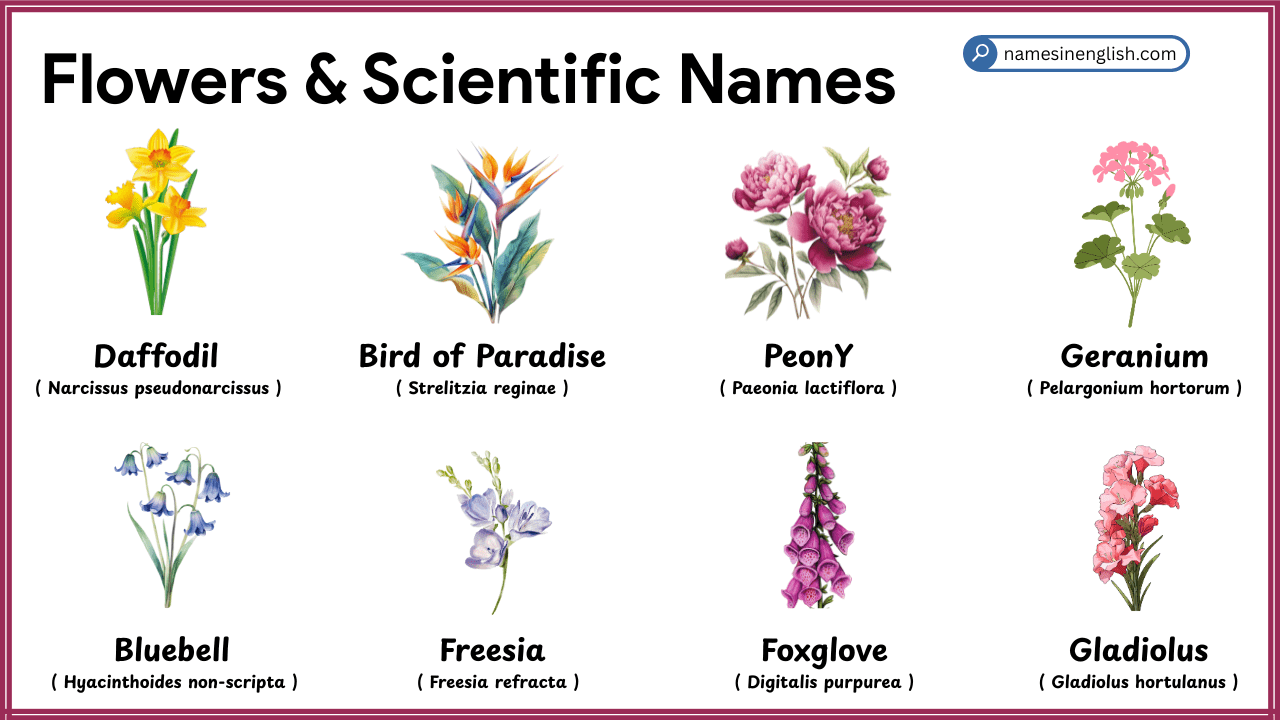
Flowers are more than just colorful decorations they’re stories written in nature’s own language. Whether you’re a student learning plant biology, a gardener growing your first rose, or simply someone who loves nature’s beauty, knowing flower names with pictures and scientific names can make you see the world differently.
What is Scientific Name of Flower
Every flower you see from a simple marigold to a rare orchid has two names: a common name and a scientific name.
Scientific names follow a universal system called Binomial Nomenclature, developed by Carl Linnaeus.
Each scientific name has two parts:
- Genus: The flower’s general group (like Rosa for roses)
- Species: The specific kind within that group (like indica for Indian rose)
For example:
- Rose → Rosa indica
- Sunflower → Helianthus annuus
These names might sound complicated, but they prevent confusion. For instance, many flowers are called “lily,” but only those under the Lilium genus are true lilies.
List of 36 Flowers with Scientific Names
- Daisy – Bellis perennis
- Tulip – Tulipa gesneriana
- Lotus – Nelumbo nucifera
- Jasmine – Jasminum officinale
- Hibiscus – Hibiscus rosa-sinensis
- Rose – Rosa indica
- Sunflower – Helianthus annuus
- Lily – Lilium candidum
- Marigold – Tagetes erecta
- Daffodil – Narcissus pseudonarcissus
- Poppy – Papaver rhoeas
- Lavender – Lavandula angustifolia
- Bird of Paradise – Strelitzia reginae
- Chrysanthemum – Chrysanthemum indicum
- Carnation – Dianthus caryophyllus
- Peony – Paeonia lactiflora
- Dahlia – Dahlia pinnata
- Gardenia – Gardenia jasminoides
- Morning Glory – Ipomoea purpurea
- Snapdragon – Antirrhinum majus
- Geranium – Pelargonium hortorum
- Petunia – Petunia hybrida
- Violet – Viola odorata
- Zinnia – Zinnia elegans
- Calendula – Calendula officinalis
- Camellia – Camellia japonica
- Bluebell – Hyacinthoides non-scripta
- Freesia – Freesia refracta
- Foxglove – Digitalis purpurea
- Anemone – Anemone coronaria
- Sweet Pea – Lathyrus odoratus
- Plumeria (Frangipani) – Plumeria rubra
- Water Lily – Nymphaea alba
- Gladiolus – Gladiolus hortulanus
- Azalea – Rhododendron indicum
- Maranta (Prayer Plant) – Maranta leuconeura

36 Flower Scientific Names with Pictures
Here’s a handy and beautiful list to keep for study, gardening, or general knowledge.
Each flower name below is paired with its scientific name helpful for students, plant enthusiasts, and bloggers alike. These flowers are the most familiar sights in home gardens and parks. They’re easy to recognize and often chosen for their fragrance and bright colors.
1. Daisy – Bellis perennis
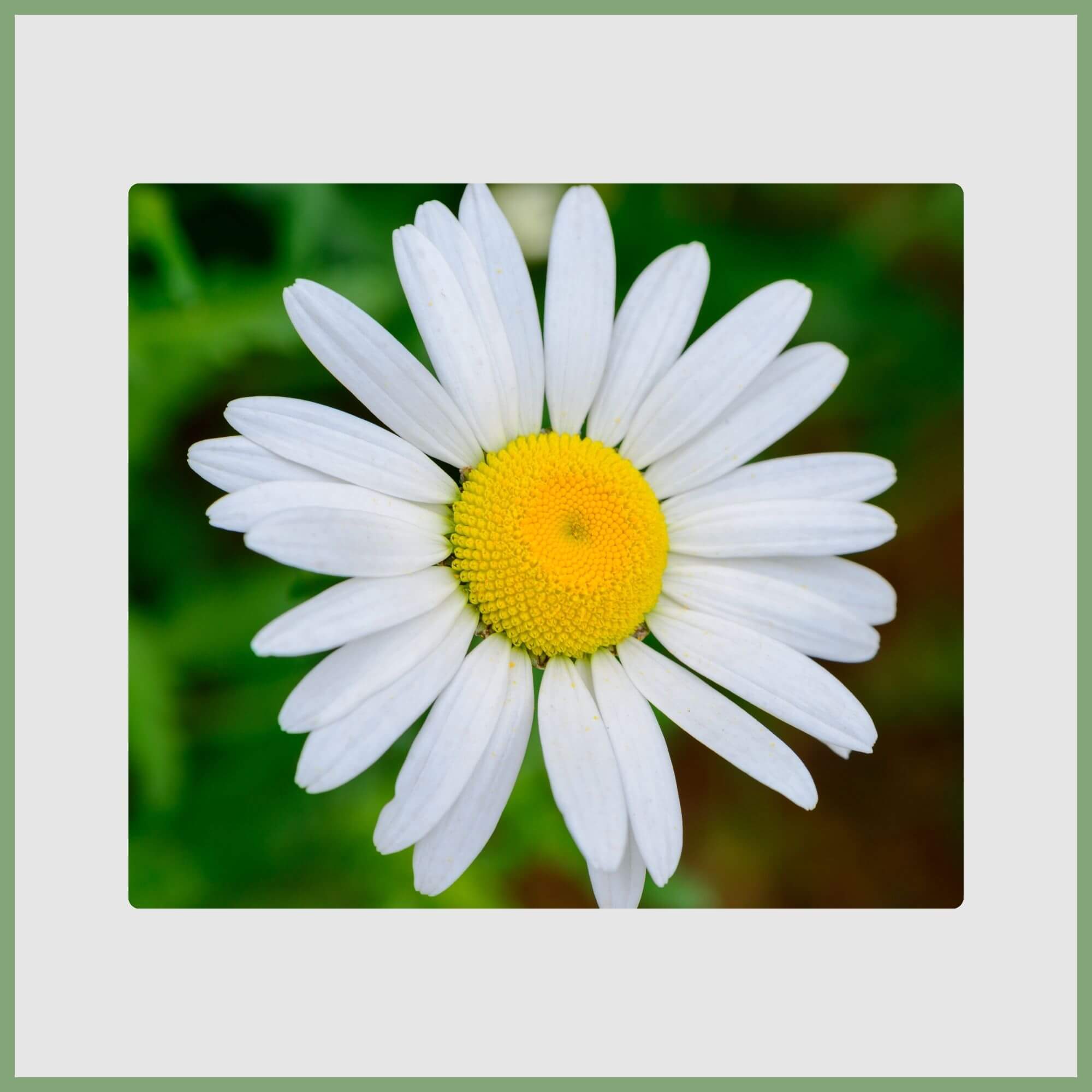
Daisies symbolize innocence and new beginnings with their cheerful white petals and sunny yellow centers. These remarkably resilient perennials bloom continuously from spring through fall with virtually no maintenance. Children have made daisy chains for generations, while gardeners value their ability to naturalize and fill gaps in borders effortlessly.
2. Tulip – Tulipa gesneriana
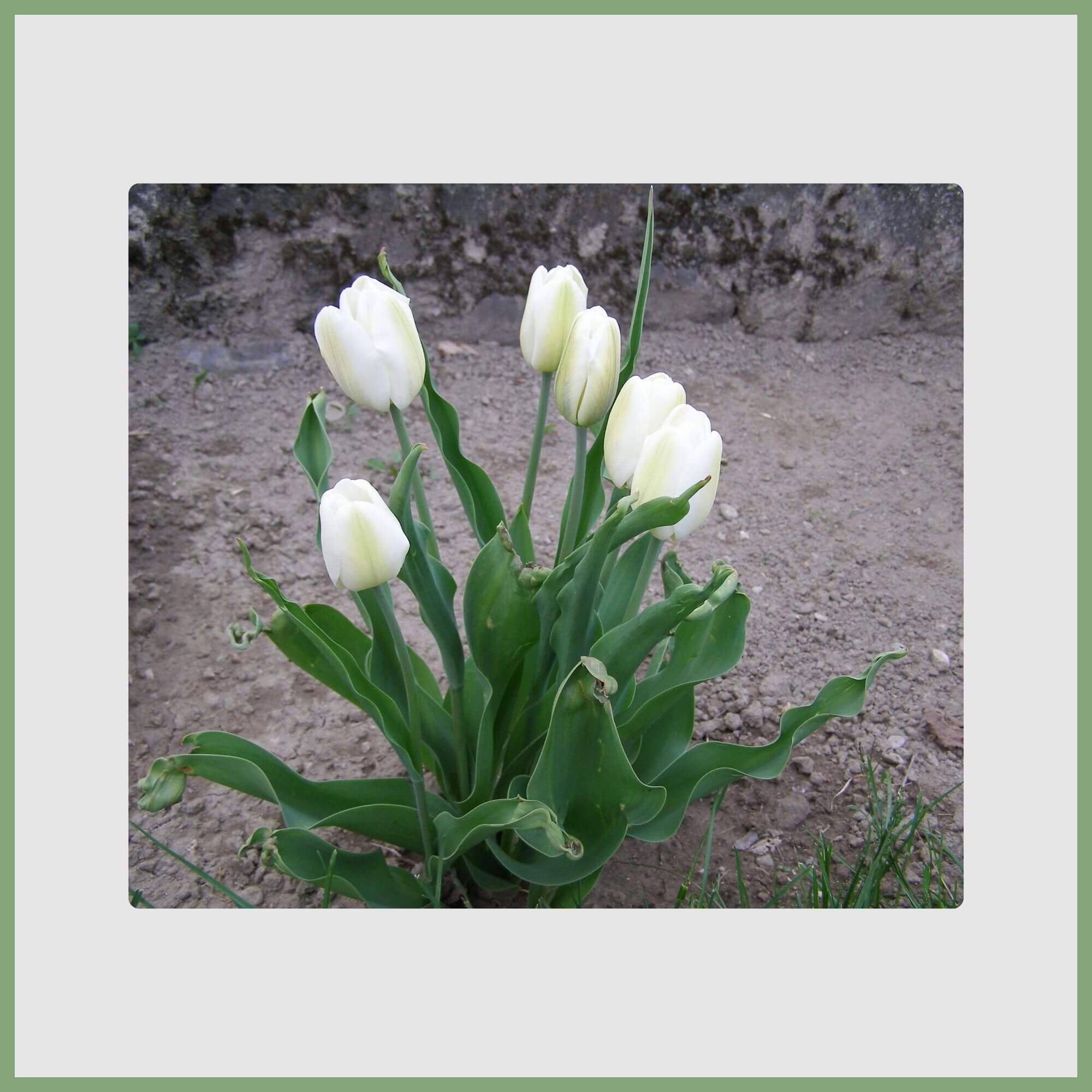
Tulips are spring’s royalty, available in nearly every color except true blue. During 17th-century Holland’s “Tulip Mania,” single bulbs famously sold for more than the price of houses. These bulbs require a cold winter period to bloom properly. Plant them in fall for elegant cup-shaped flowers that stand tall each spring.
3. Lotus – Nelumbo nucifera
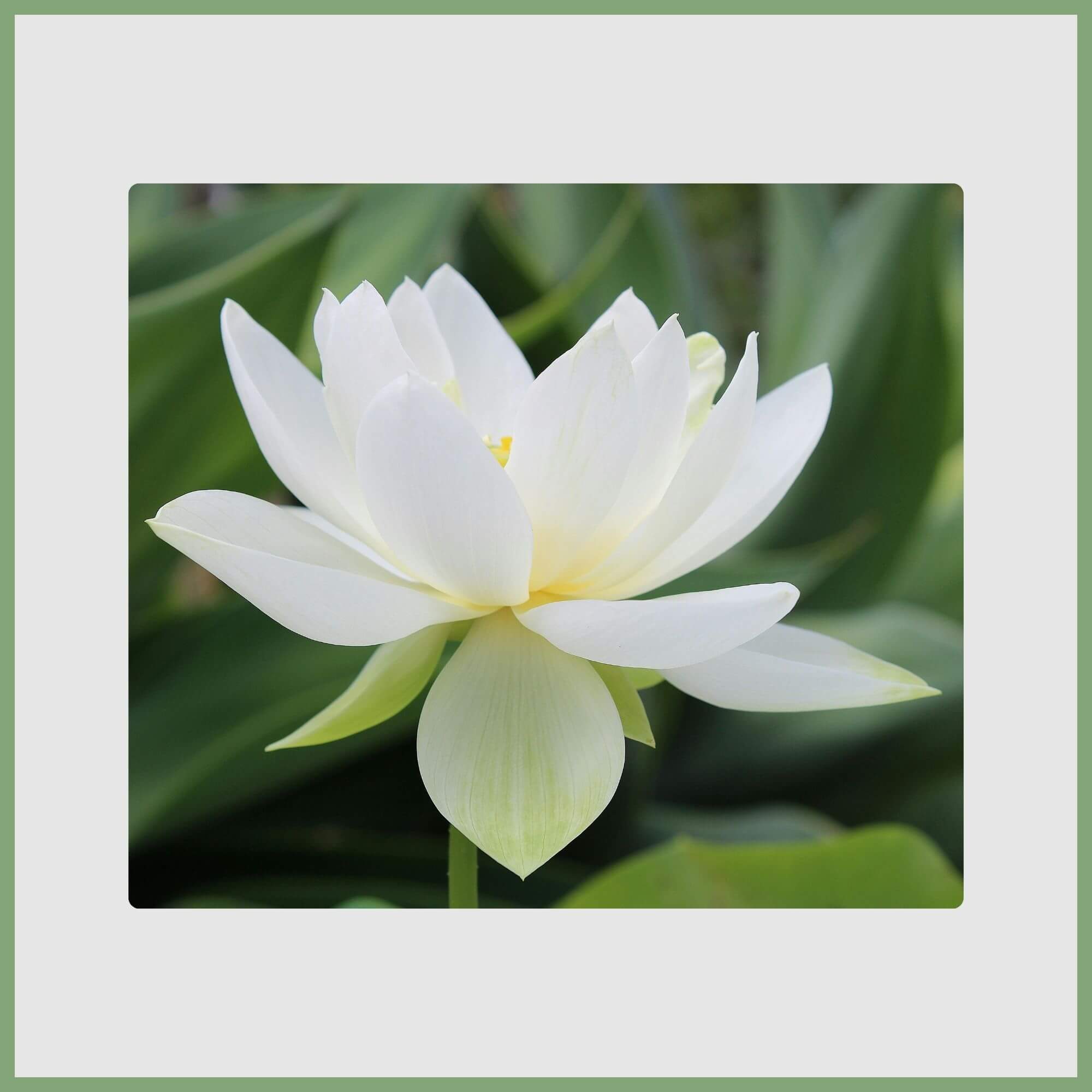
The lotus rises from muddy pond bottoms to bloom in pristine beauty. This makes it a sacred symbol of spiritual enlightenment in Hinduism and Buddhism. Every part is useful the seeds, roots, and leaves are all edible and valued in traditional Asian medicine. The circular leaves possess natural water-repelling qualities that keep them spotlessly clean.
4. Jasmine – Jasminum officinale
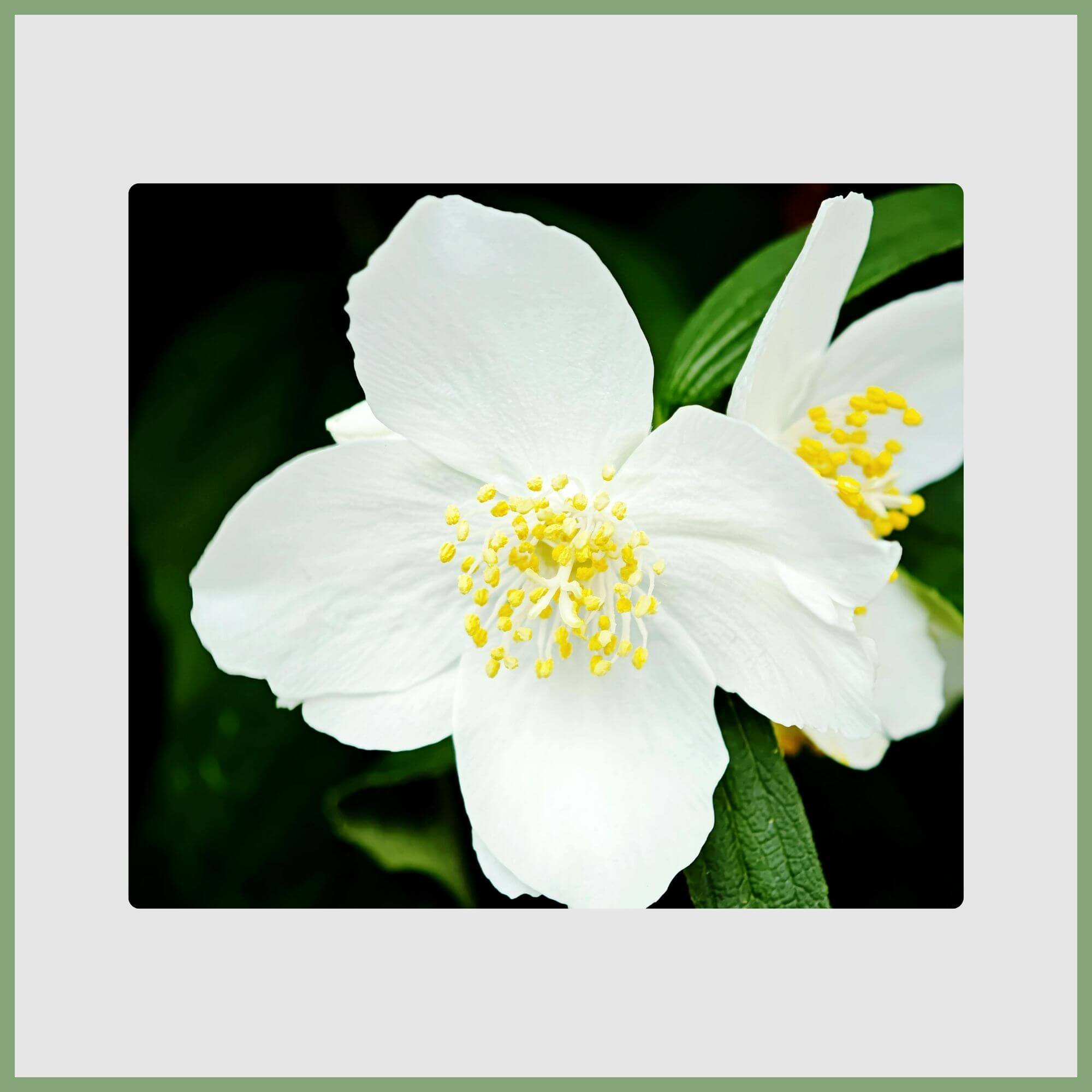
Jasmine releases its intoxicating sweet fragrance most powerfully at night. The scent fills warm evening air and has been treasured in perfumes for centuries. These delicate white star-shaped flowers grow on surprisingly vigorous vines that can climb 15 feet or more. Jasmine symbolizes love and sensuality across Asia and the Middle East.
5. Hibiscus – Hibiscus rosa-sinensis
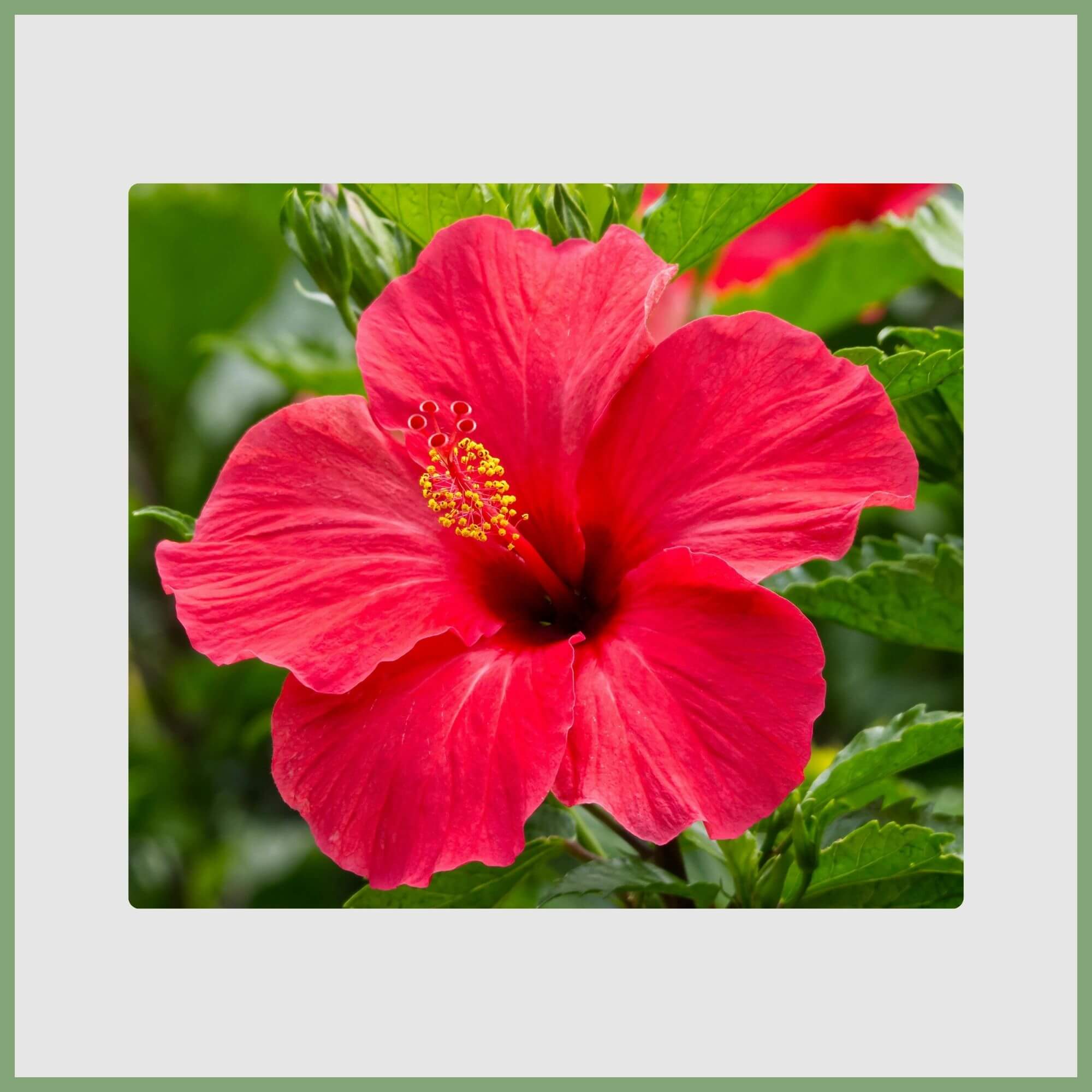
Hibiscus produces spectacular trumpet-shaped blooms up to 6 inches wide in fiery colors. Each flower lasts just one day before being replaced by new blooms. It’s the national flower of Malaysia and an icon of Hawaiian culture. Beyond beauty, hibiscus makes a tart, ruby-red tea loaded with vitamin C and antioxidants.
6. Rose – Rosa indica
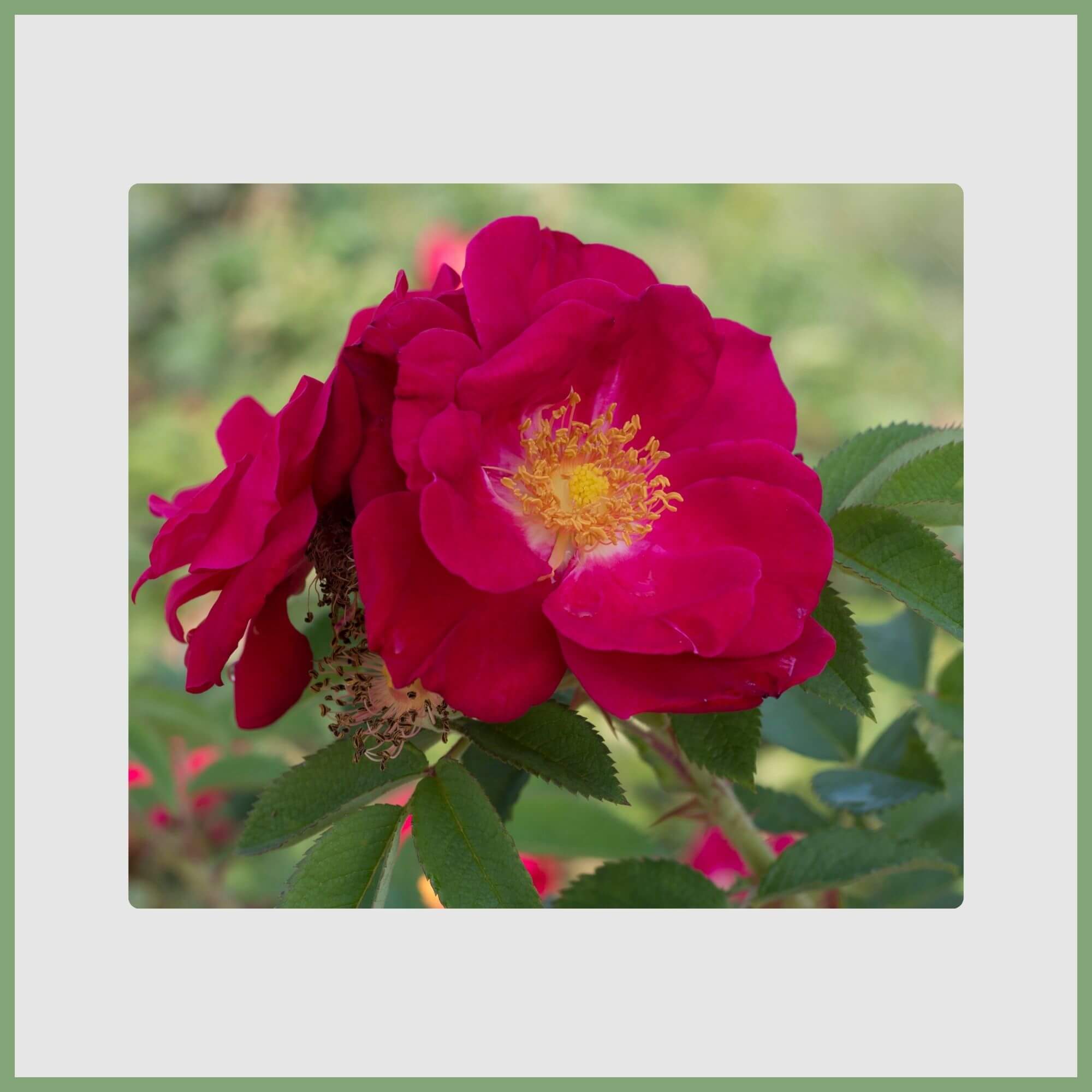
Roses have been cultivated for over 5,000 years and remain the universal symbol of love. Thousands of varieties range from miniatures to towering climbers. Their layered petals and enchanting fragrance make them the most gifted flower globally. Modern disease-resistant varieties are surprisingly low-maintenance and bloom repeatedly from spring through fall.
7. Sunflower – Helianthus annuus
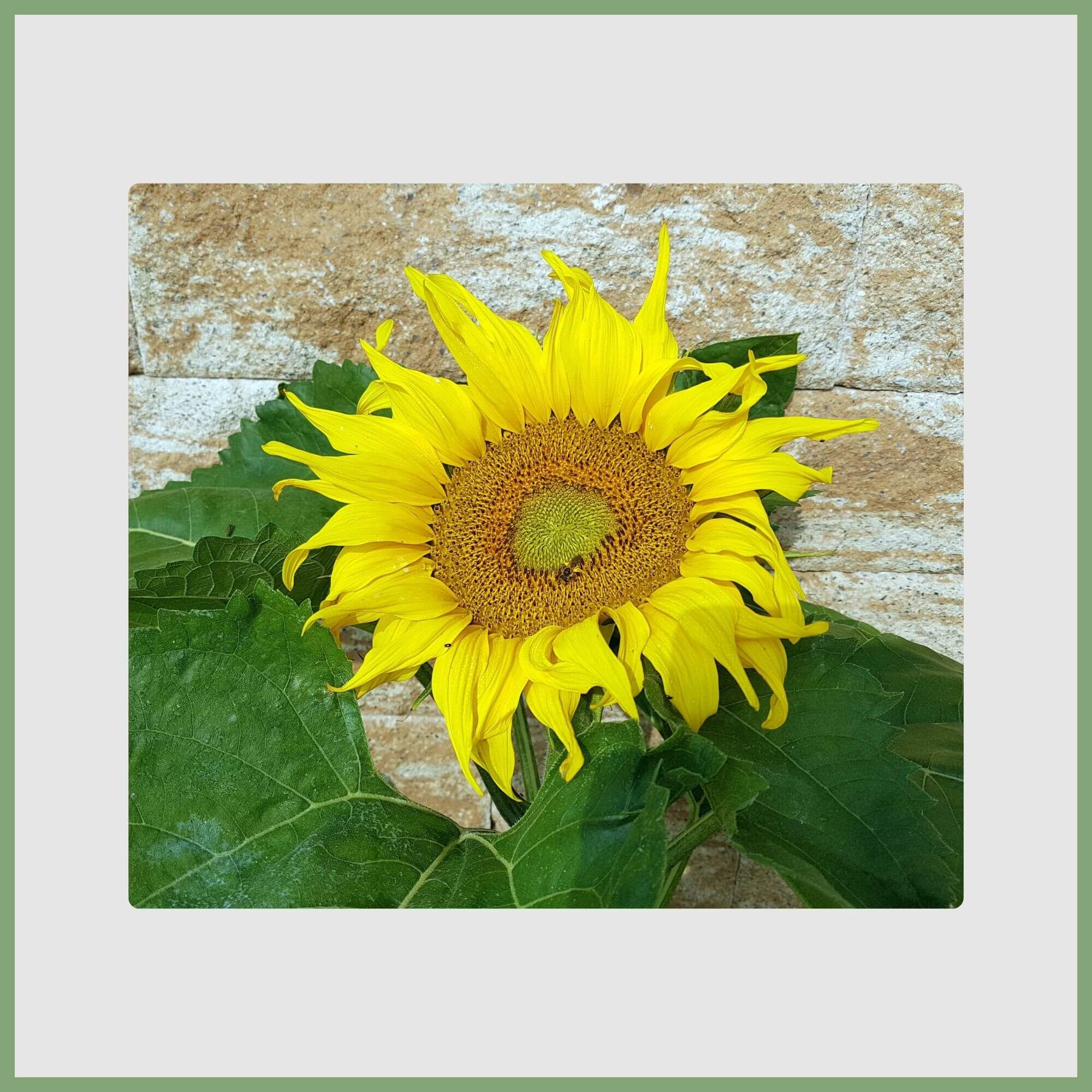
Sunflowers can tower up to 12 feet tall with flower heads as wide as dinner plates. Young plants famously track the sun’s path across the sky in a behavior called heliotropism. Indigenous peoples of the Americas cultivated sunflowers for food thousands of years before European contact. Today they serve as both stunning garden specimens and sources of cooking oil and nutritious seeds.
8. Lily – Lilium candidum
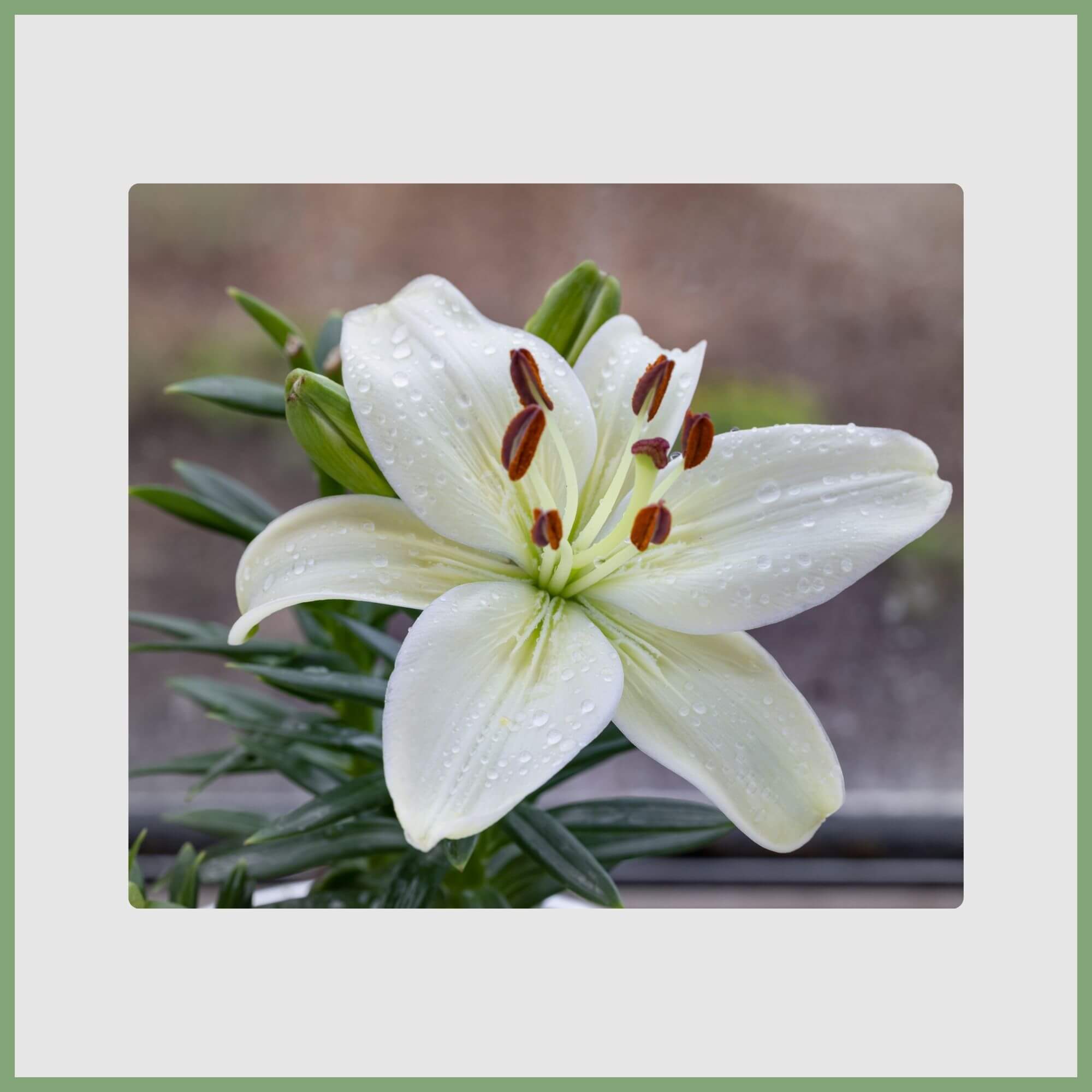
Lilies exude timeless elegance with their large, often fragrant trumpet-shaped blooms. The Madonna lily has been cultivated for over 3,000 years and appears in ancient Greek, Roman, and Christian art. These bulbs multiply generously underground and come in virtually every color. Many feature exotic spots or stripes that add visual drama to any garden.
9. Marigold – Tagetes erecta
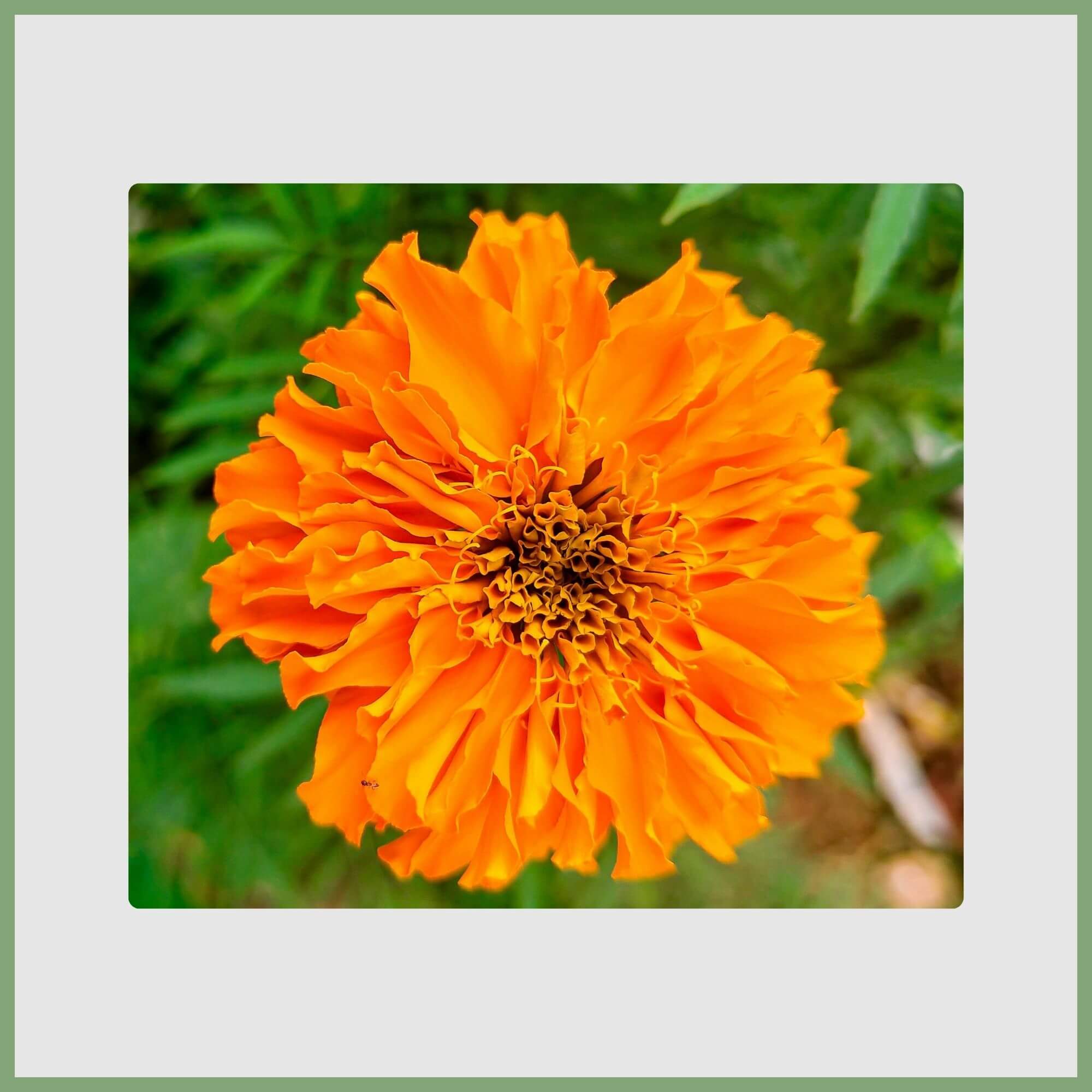
Marigolds bloom reliably from spring until the first hard frost. Their pungent scent naturally deters aphids, mosquitoes, and other garden pests. In Mexico, these vibrant golden-orange flowers are essential for Día de los Muertos celebrations. Their extreme ease of growth makes them the perfect first flower for children’s gardens.
10. Daffodil – Narcissus pseudonarcissus
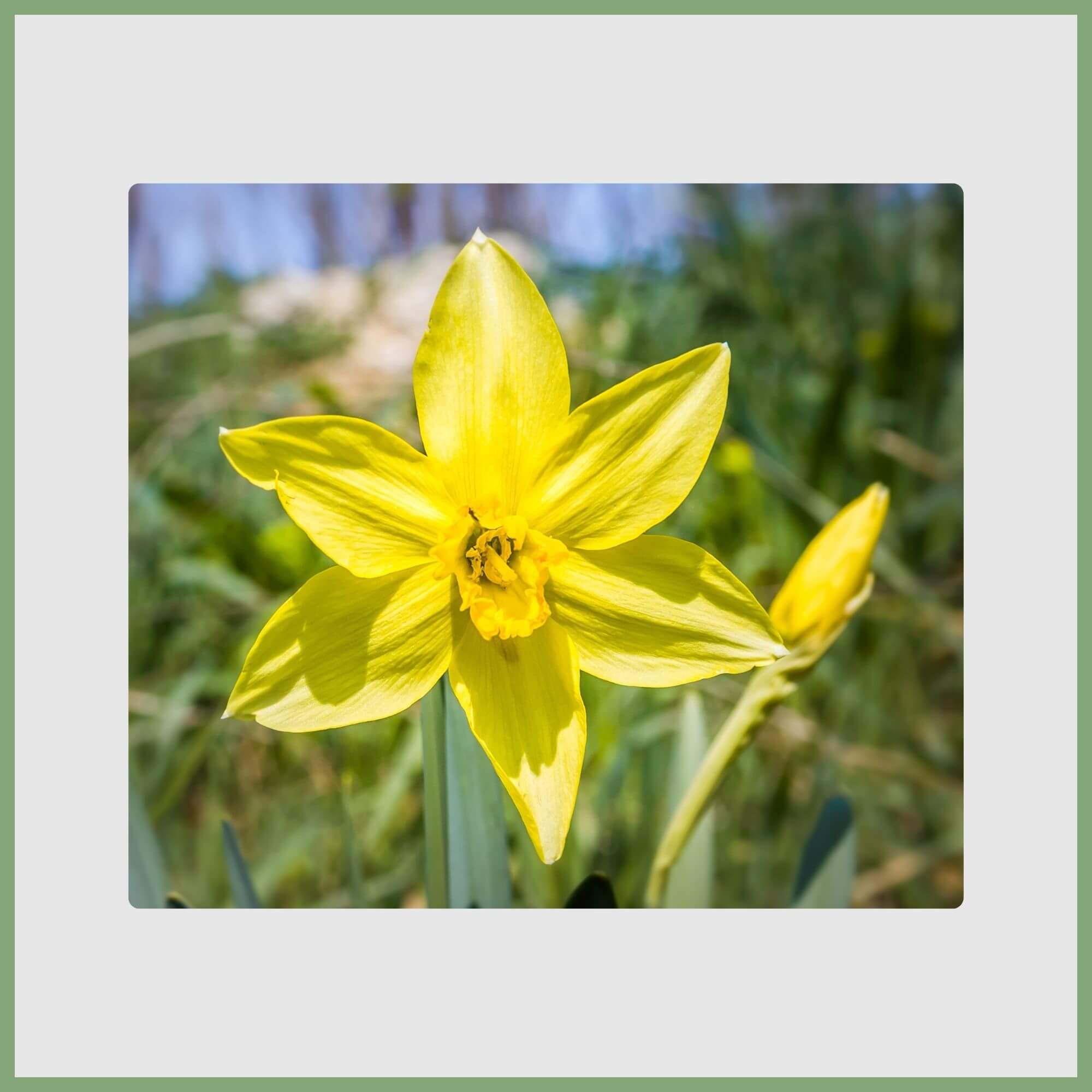
Daffodils are often the first flowers to push through cold ground in spring. This earns them a reputation as cheerful heralds and symbols of hope. These hardy bulbs naturalize beautifully, multiplying year after year without any gardener intervention. In Wales, wearing a daffodil on St. David’s Day is a point of national pride.
11. Poppy – Papaver rhoeas
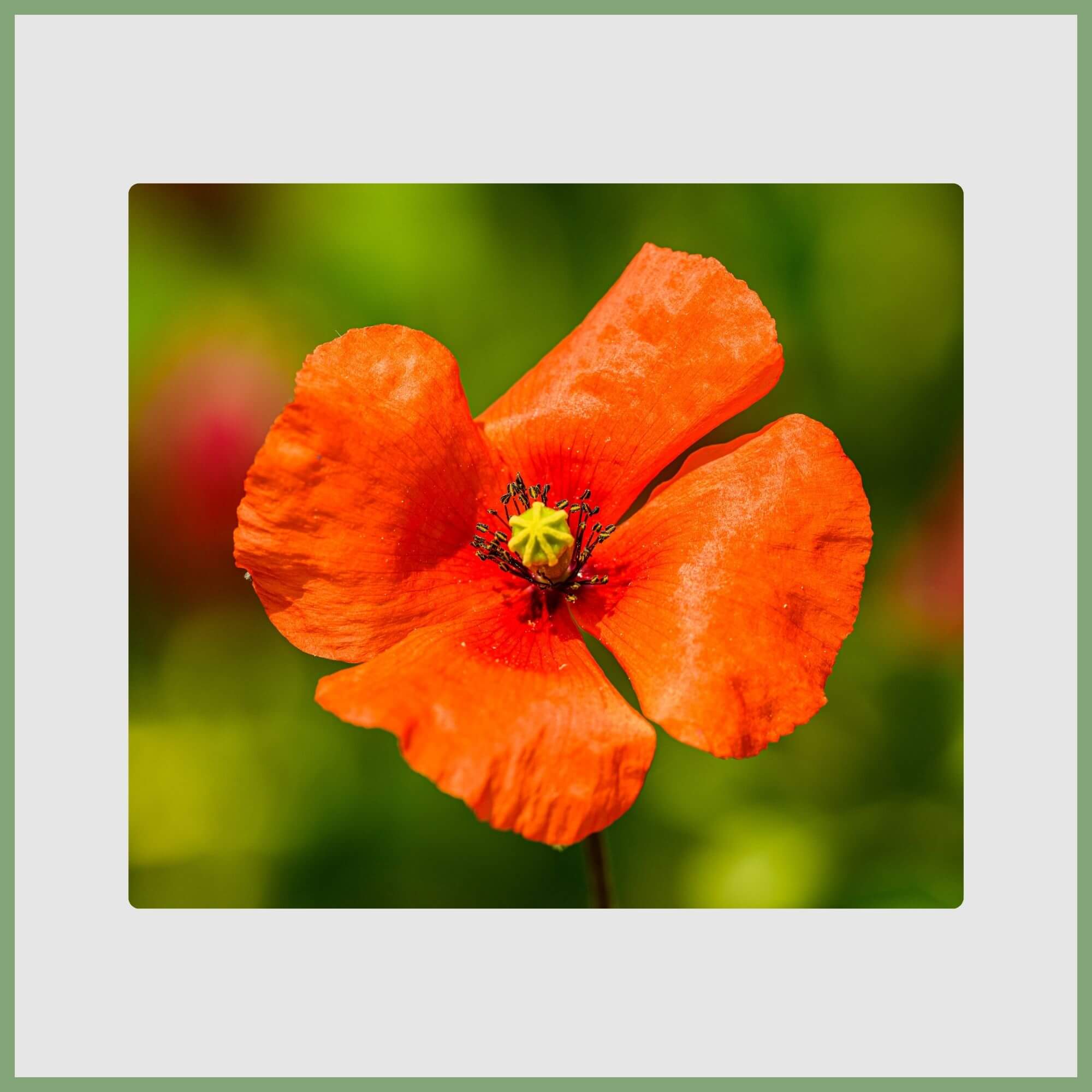
Poppies feature delicate tissue-paper petals that glow translucent in sunlight. Yet these wildflowers are tough enough to thrive in poor soil where other plants fail. The red poppy became the international symbol of remembrance for fallen soldiers after World War I. They self-seed enthusiastically and can transform entire fields into breathtaking seas of color.
12. Lavender – Lavandula angustifolia
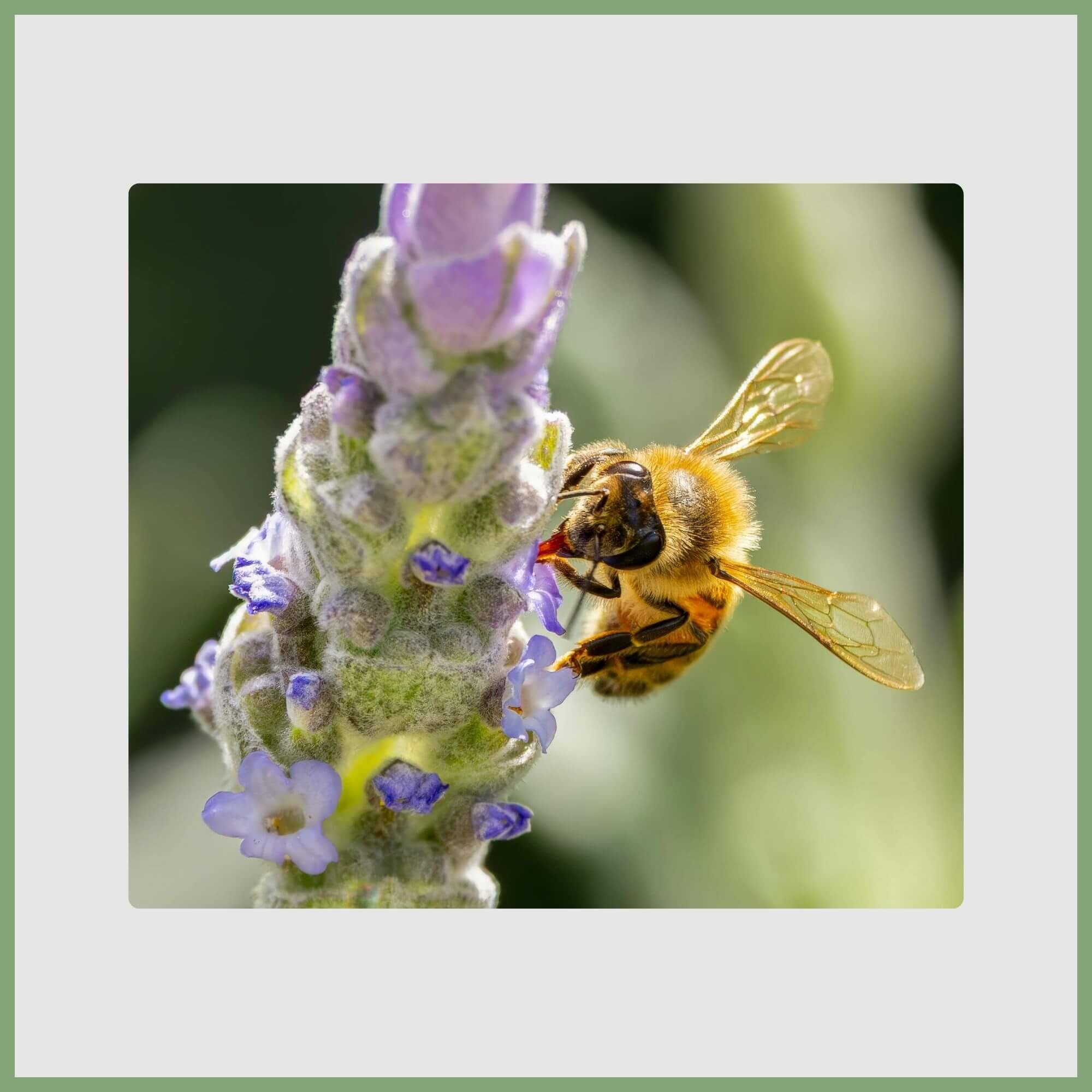
Lavender’s soothing fragrance and purple spikes have made it a cornerstone of aromatherapy for over 2,500 years. The scent attracts beneficial pollinators while the oils naturally repel moths. Once established, these Mediterranean natives are remarkably drought-tolerant. They actually perform better with neglect than pampering, thriving in poor, well-drained soil.
13. Bird of Paradise – Strelitzia reginae
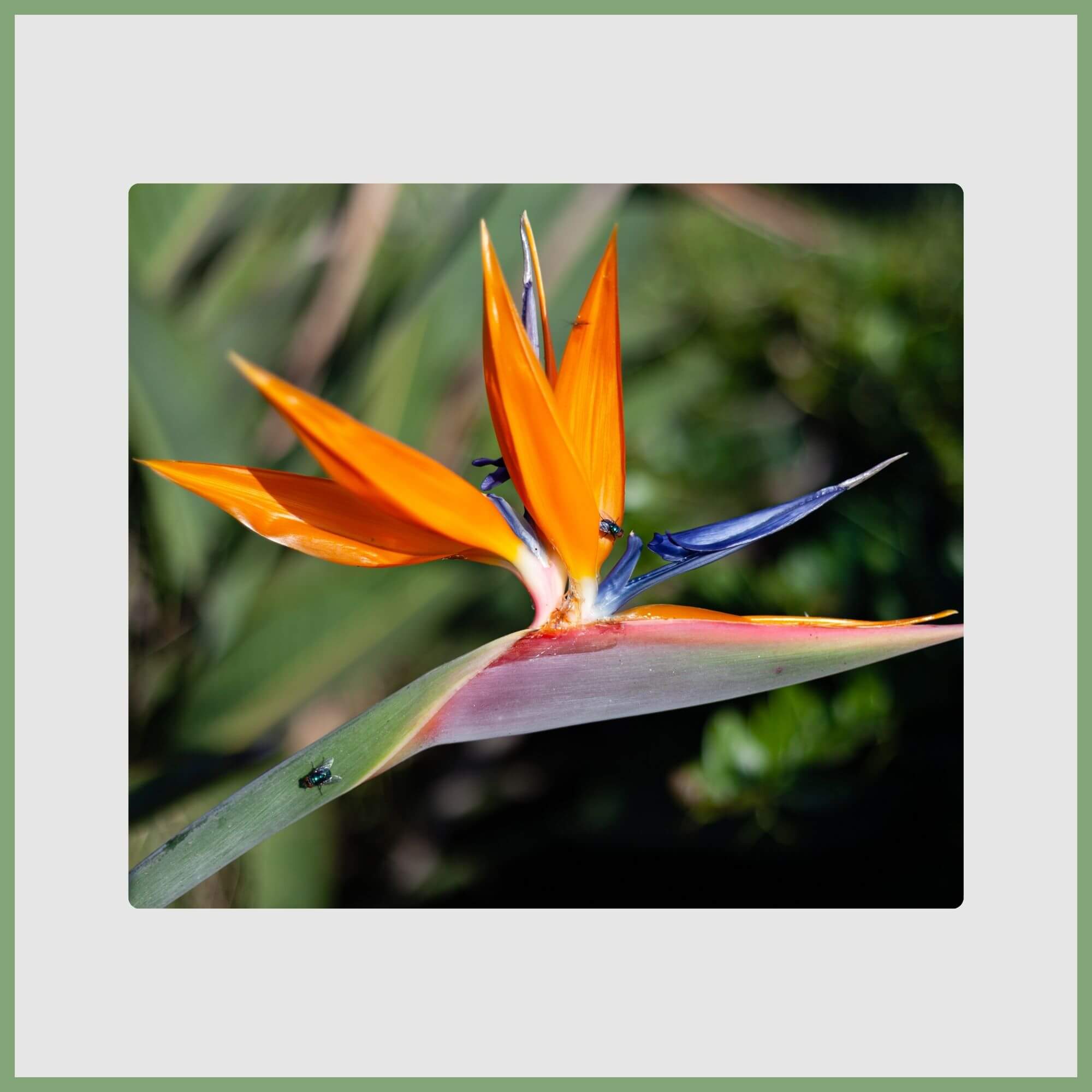
Bird of Paradise flowers mimic exotic tropical birds in mid-flight with dramatic orange and blue petals. Named after Queen Charlotte of England, these South African natives bring architectural drama to warm-climate gardens. Mature plants can bloom repeatedly throughout the year. However, patience is required first flowers typically appear 3-5 years after planting.
14. Chrysanthemum – Chrysanthemum indicum
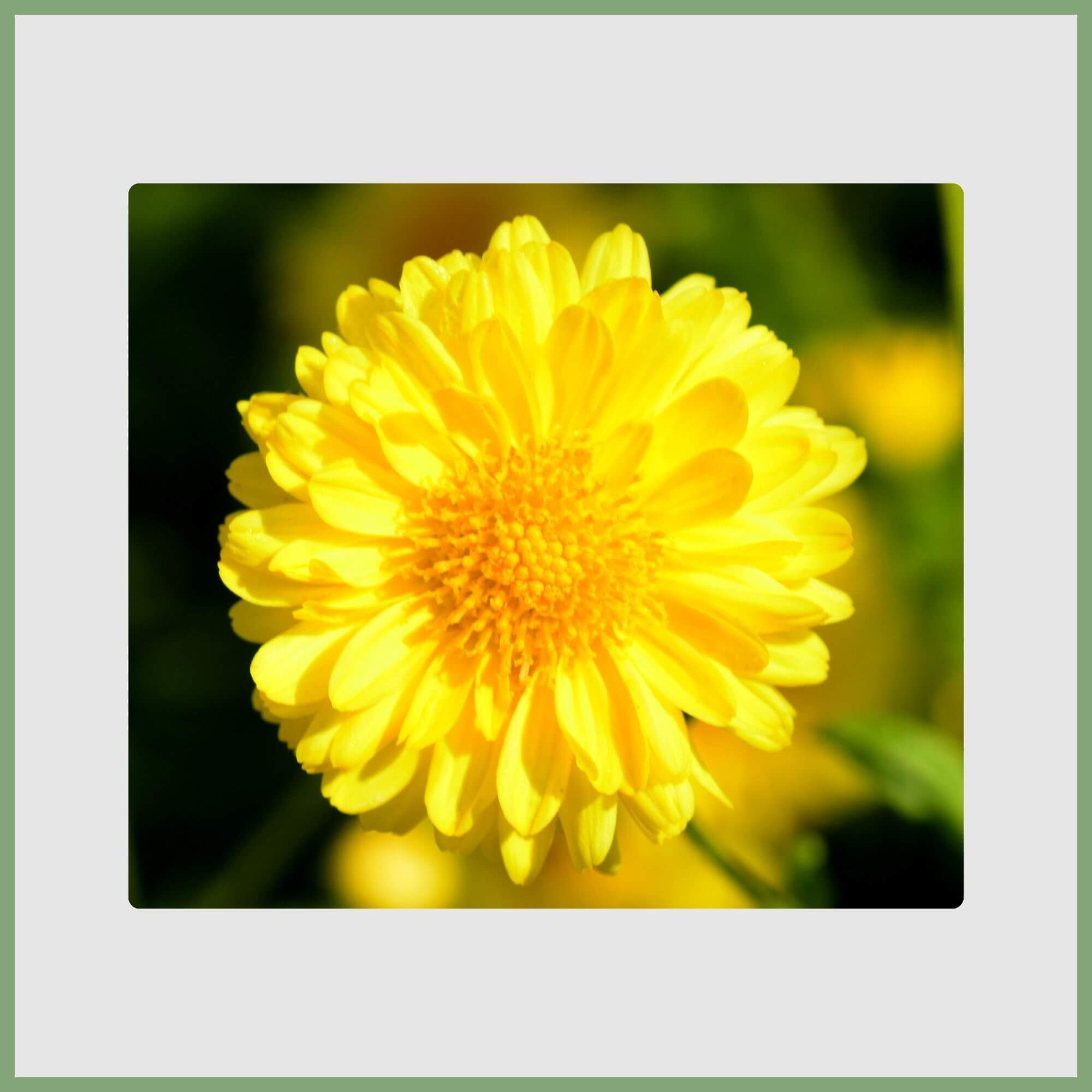
Chrysanthemums, or “mums,” offer an incredible range of colors and petal formations. In Japan, the chrysanthemum appears on the Imperial Seal and has its own national holiday. Chinese culture associates these long-lasting flowers with longevity and happiness. They’re popular birthday gifts and ingredients in healthful teas consumed for over 3,000 years.
15. Carnation – Dianthus caryophyllus
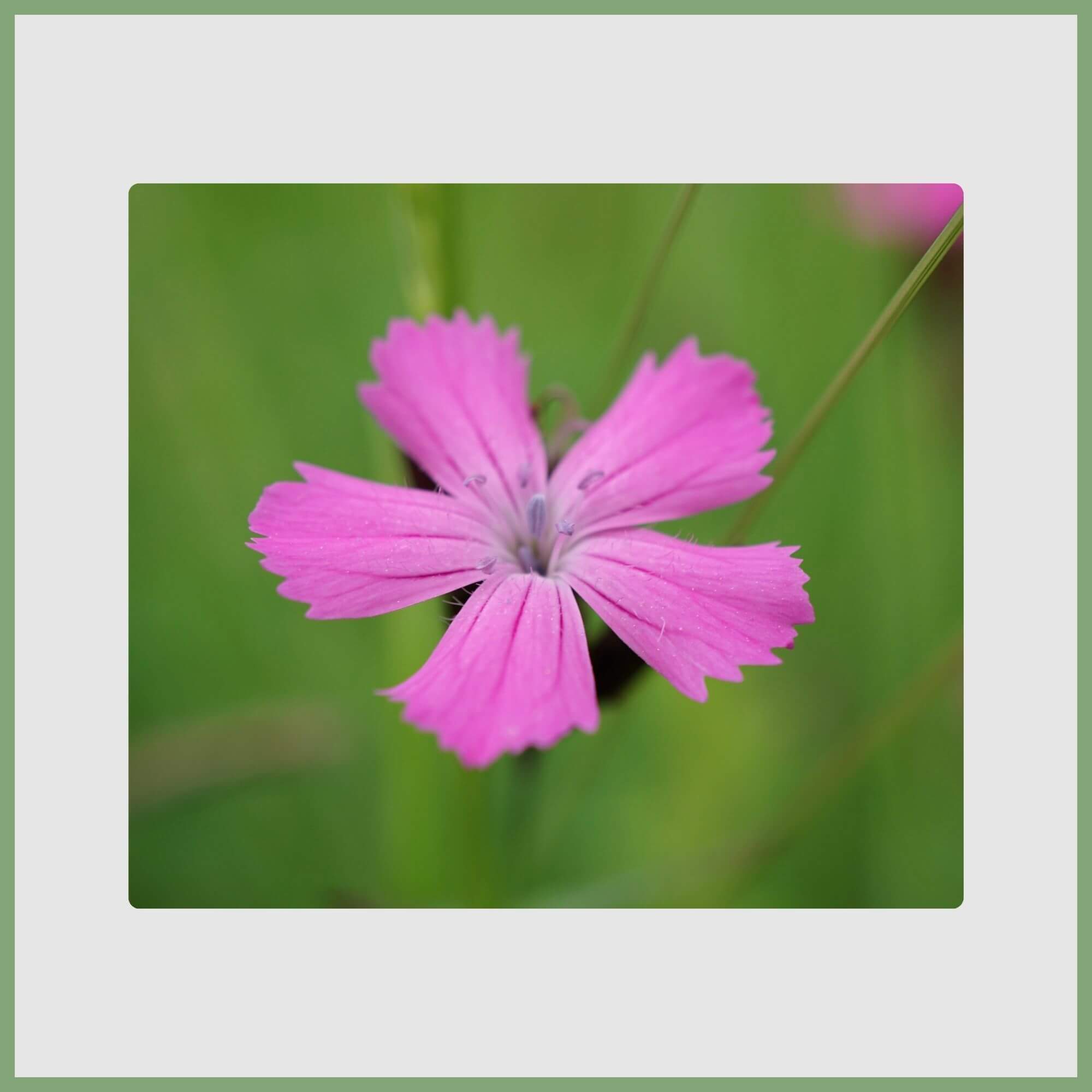
Carnations have captivated people for over 2,000 years with their ruffled petals and spicy-sweet fragrance. Their botanical name literally means “flower of the gods” in Greek. These remarkably long-lasting flowers can stay fresh in a vase for two weeks or more. Different colors carry distinct meanings red symbolizes deep love, white represents pure luck, and pink expresses a mother’s love.
16. Peony – Paeonia lactiflora
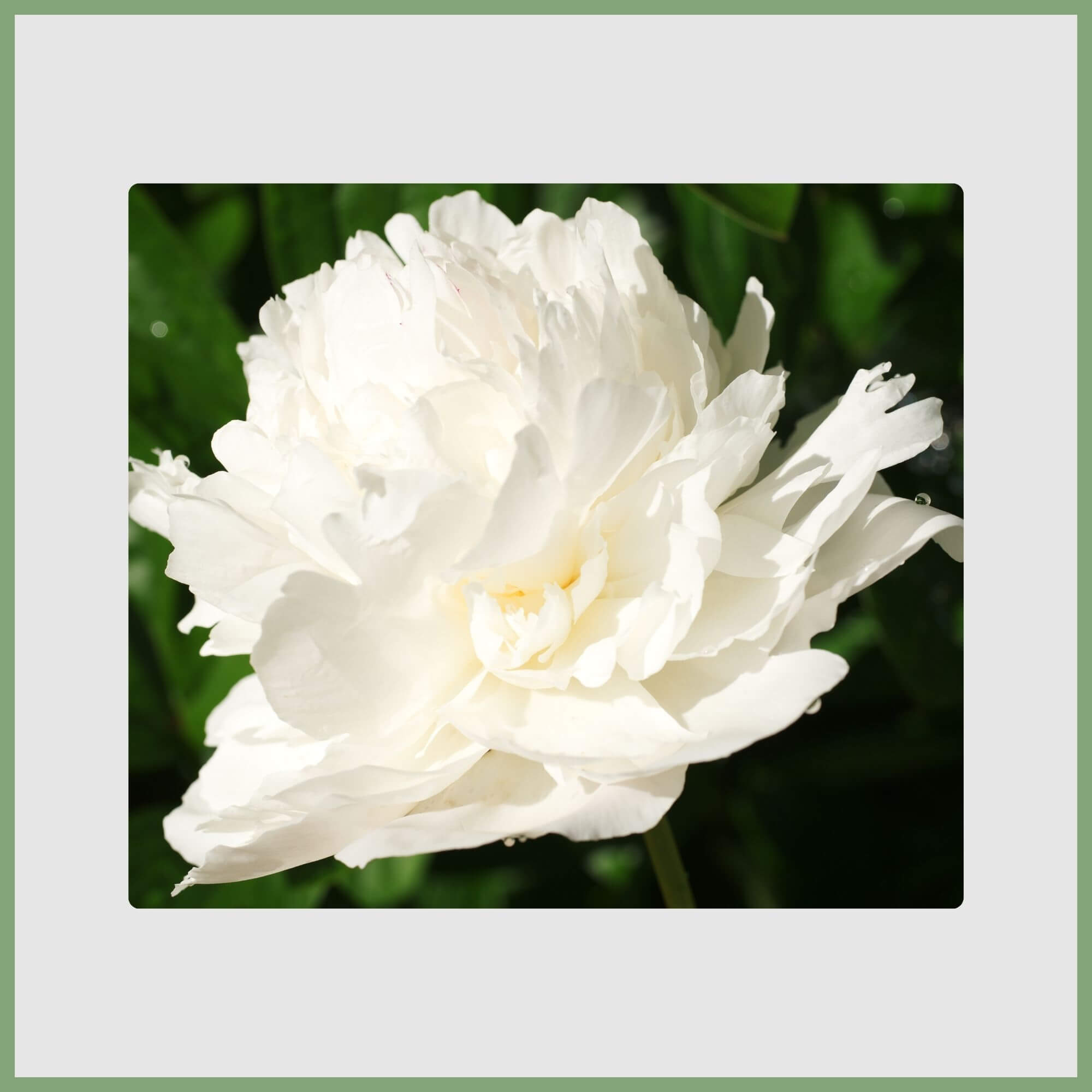
Peonies are legendary for their enormous, lush blooms that can measure 10 inches across. These extraordinary perennials can thrive for over 100 years. Some garden peonies have been passed down through four or five generations of families. In Chinese culture, peonies represent prosperity, honor, and good fortune, earning the title “king of flowers.”
17. Dahlia – Dahlia pinnata
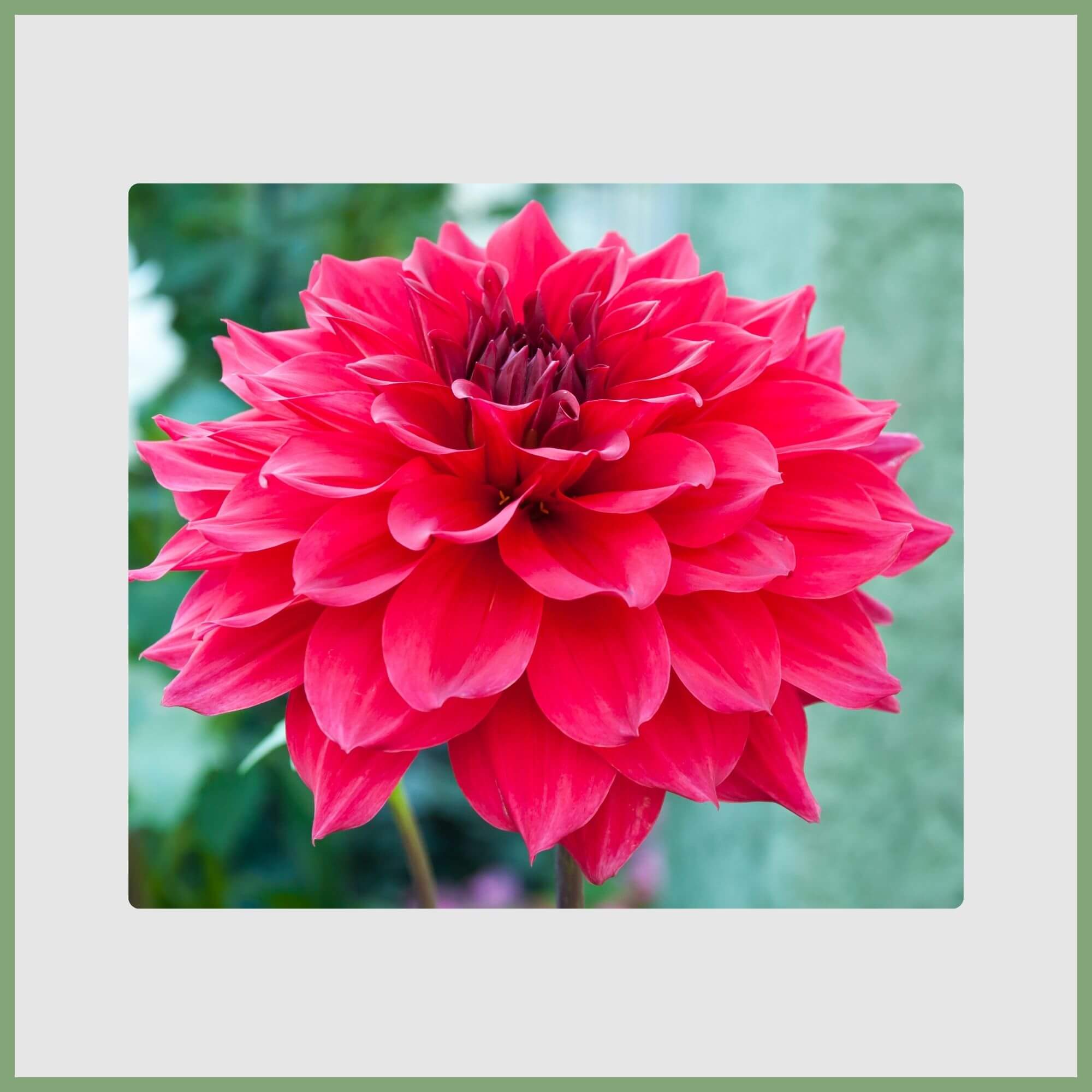
Dahlias range from petite pompoms to dinner-plate-sized blooms exceeding 12 inches in diameter. They’re available in every color except true blue. The Aztecs cultivated these Mexican natives for food, ceremonies, and treating epilepsy. With over 42 officially recognized flower forms, dahlia collecting has become an obsessive hobby for enthusiasts worldwide.
18. Gardenia – Gardenia jasminoides
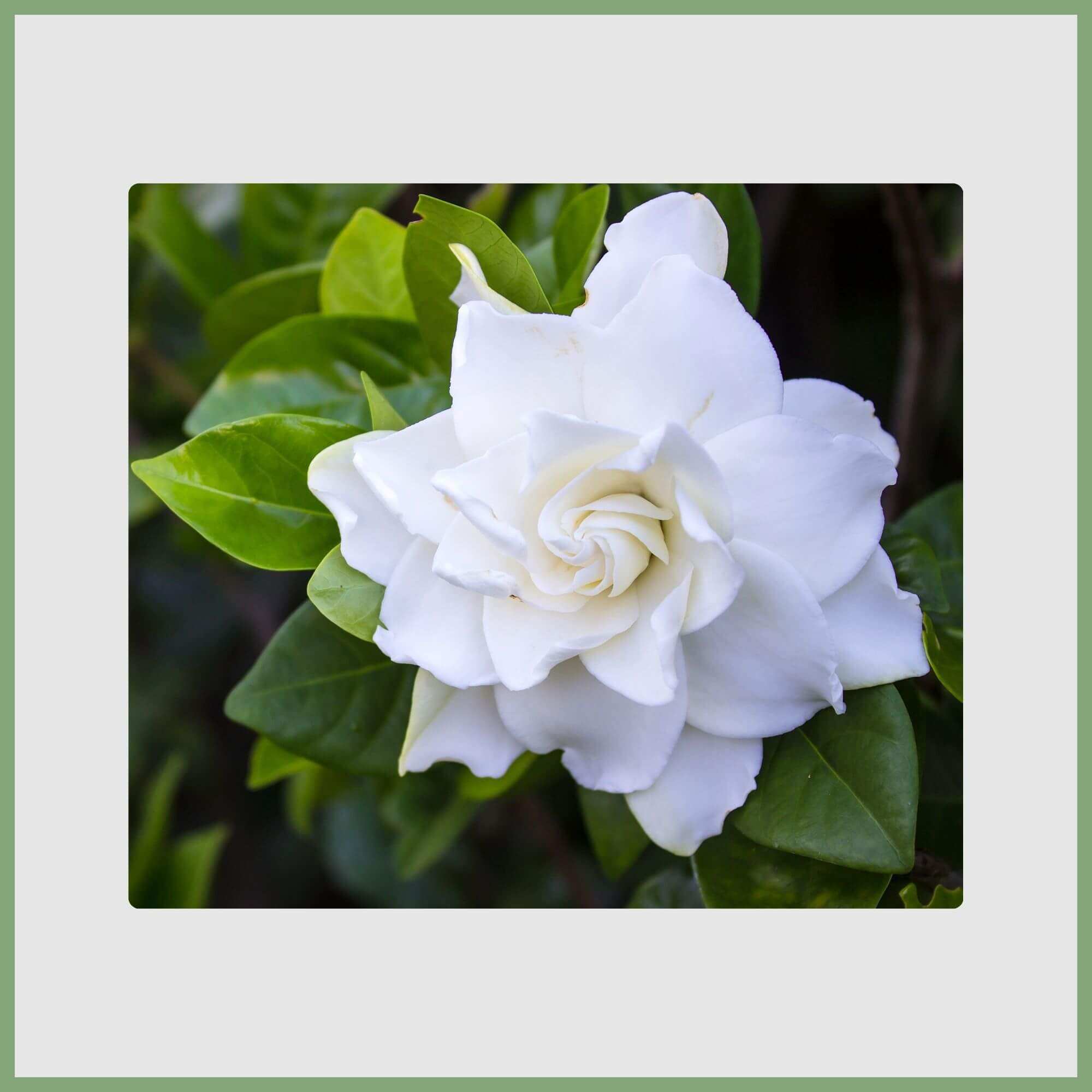
Gardenias produce intoxicating fragrance from creamy white blooms so potent they can perfume an entire garden. The waxy petals and glossy evergreen foliage create an almost artificial-looking perfection. These notoriously particular plants demand acidic soil, consistent moisture, and specific conditions. Successful cultivation is a genuine badge of honor among Southern gardeners.
19. Morning Glory – Ipomoea purpurea
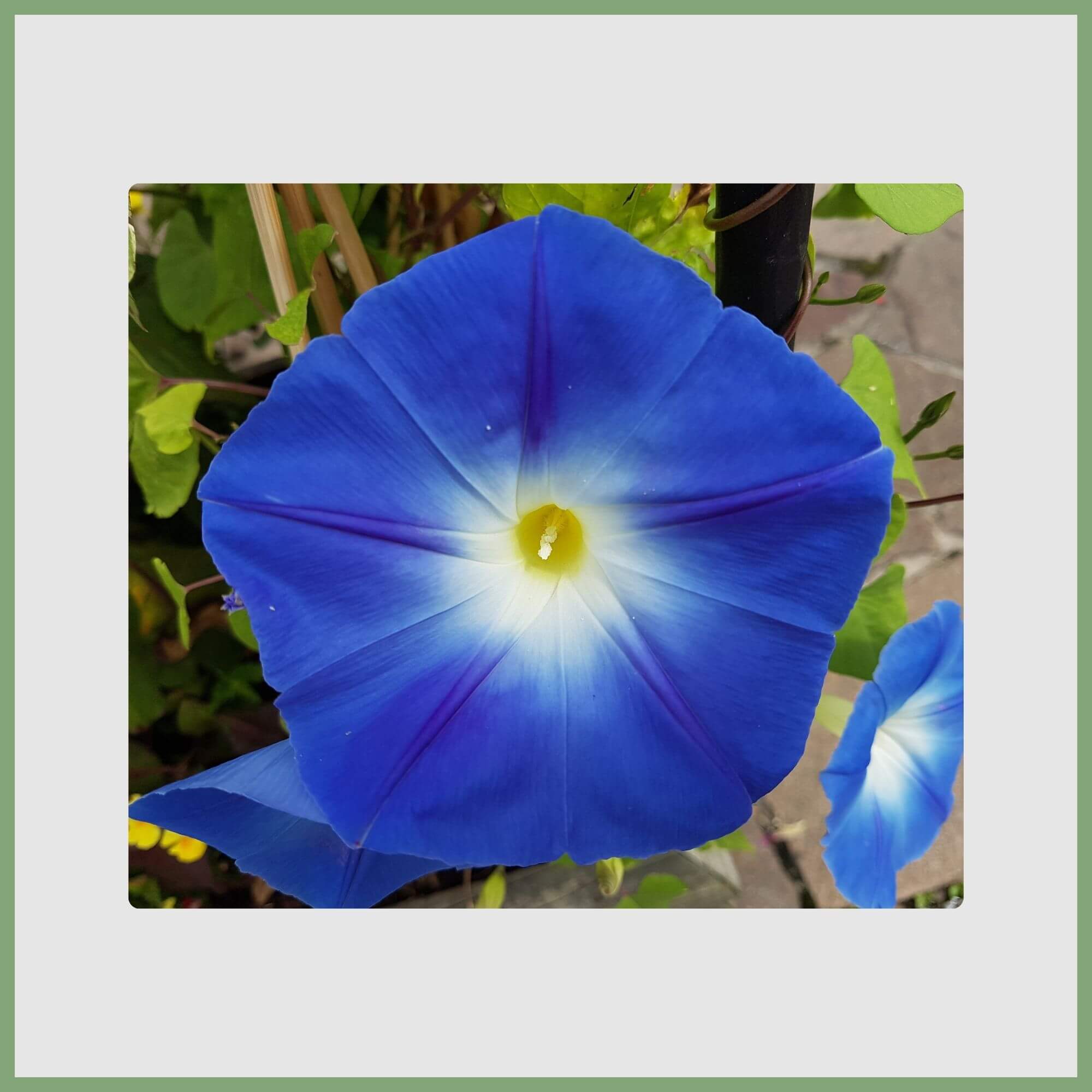
Morning glories unfurl their trumpet-shaped blooms precisely at sunrise and close by afternoon. This predictable daily rhythm has enchanted gardeners for centuries. These vigorous annual vines can climb 10-15 feet in a single growing season. In Japanese culture, morning glories have their own summer festival where competitive growers display spectacular specimens.
20. Snapdragon – Antirrhinum majus
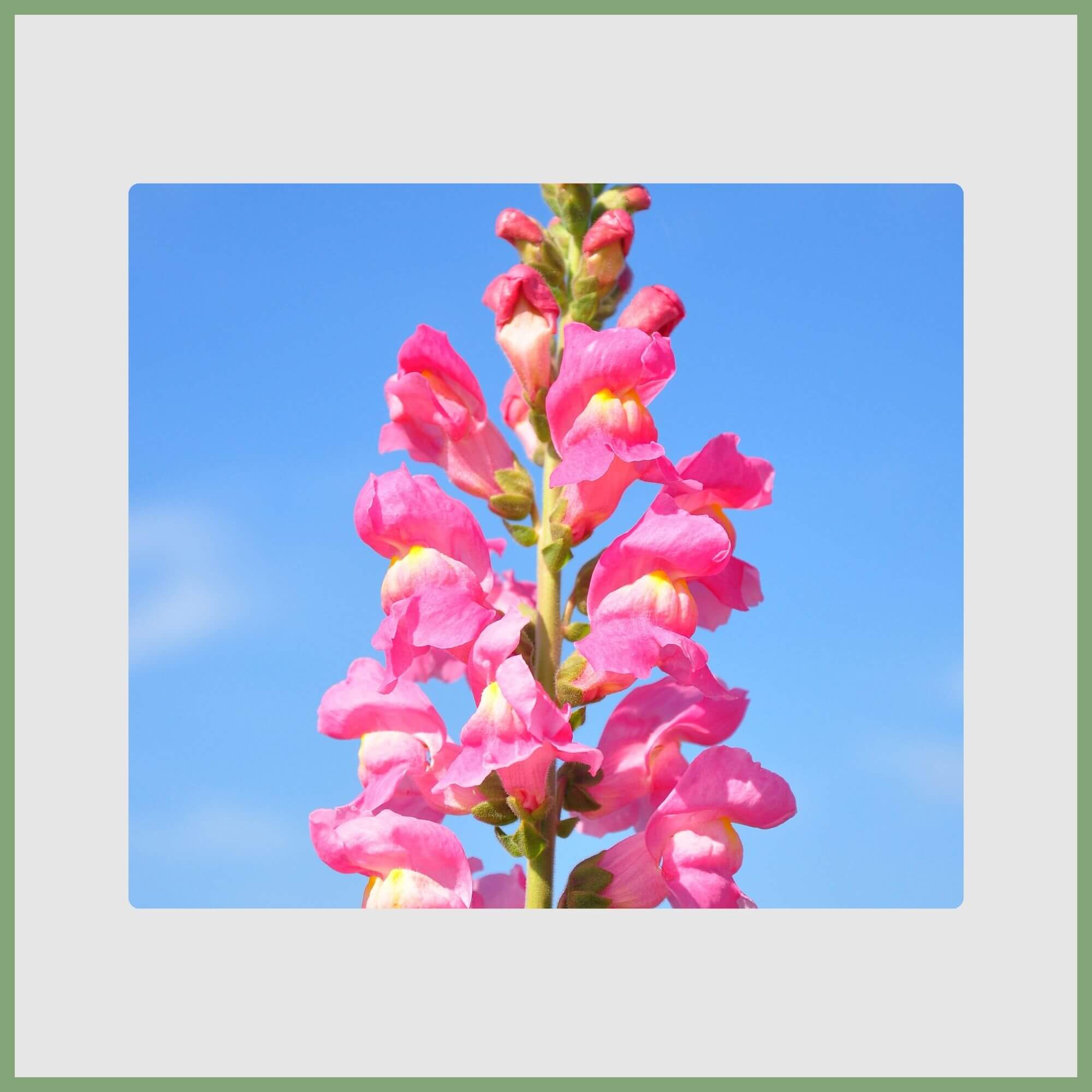
Snapdragons earned their whimsical name because the flowers literally “snap” open and closed like tiny dragon mouths. These cottage garden favorites bloom in cool weather and come in nearly every color. Tall varieties make exceptional cut flowers lasting up to two weeks. After blooming, the seed pods develop an eerie resemblance to tiny human skulls.
21. Geranium – Pelargonium hortorum
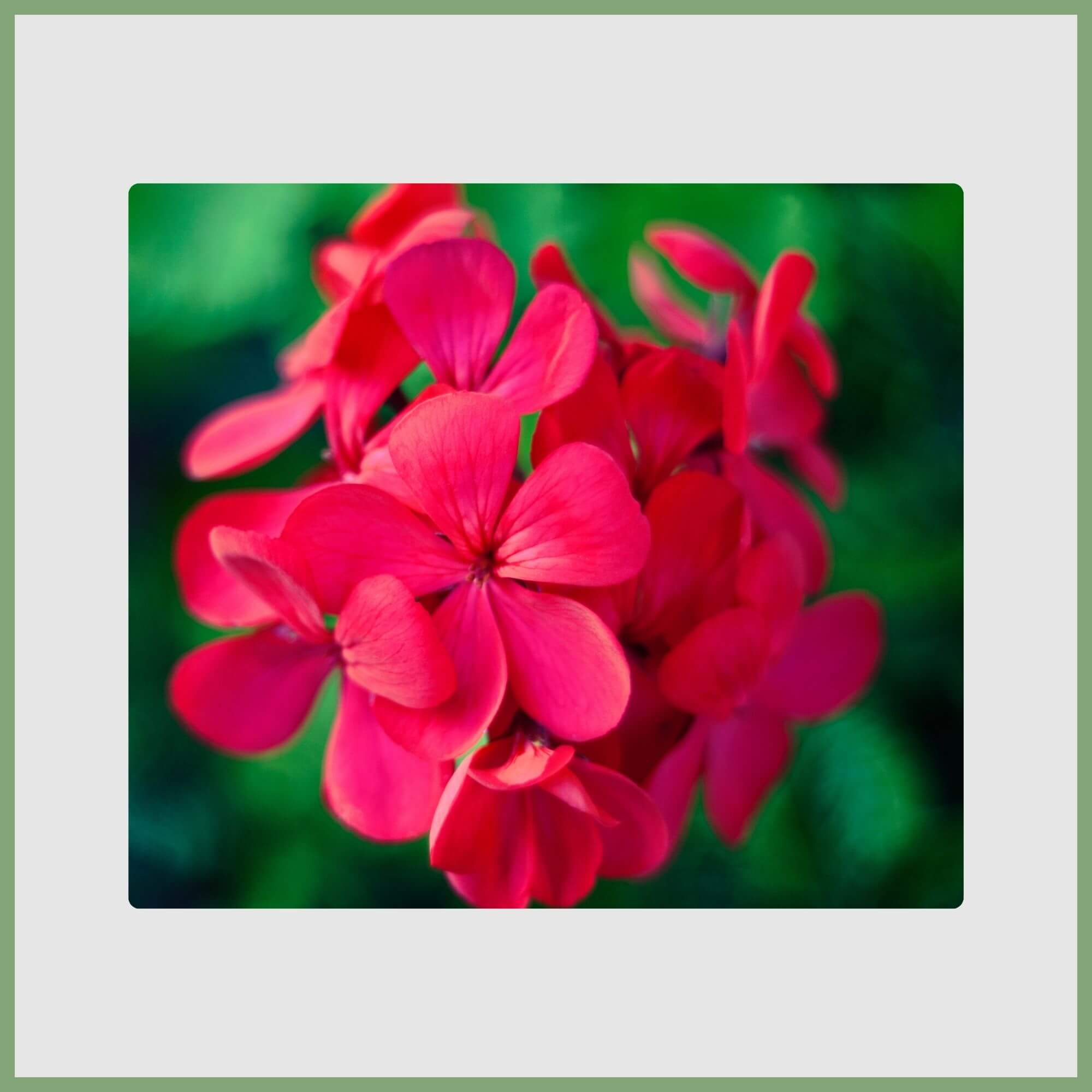
Geraniums are summer container champions that bloom nonstop in full sun with minimal care. Their rounded flower clusters glow in vibrant reds, pinks, and salmons against attractive foliage. What most people call geraniums are actually pelargoniums a different genus from true geraniums. In Victorian times, different colored geraniums carried secret coded messages of comfort, doubt, or preference.
22. Petunia – Petunia hybrida
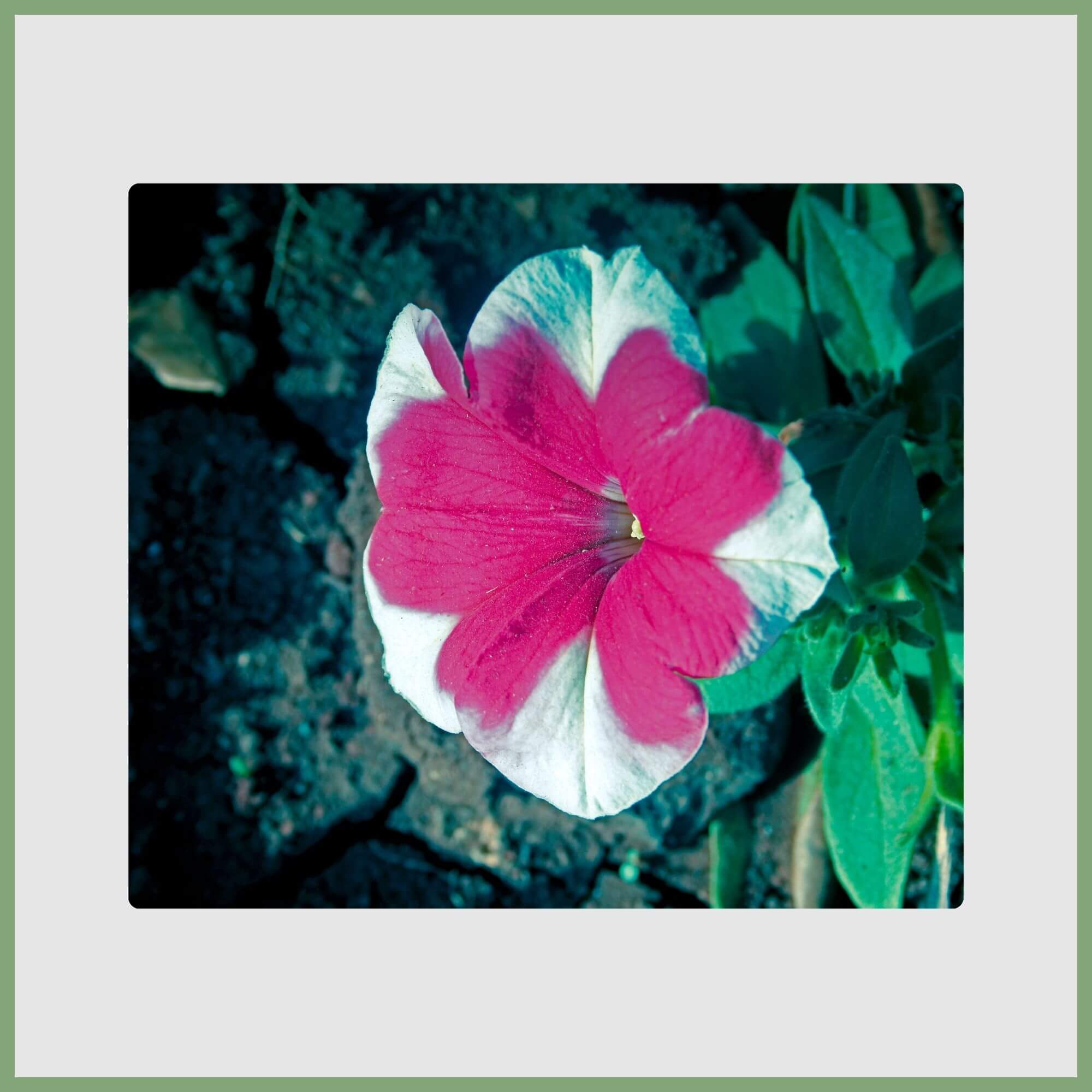
Petunias cascade in waves of color from Memorial Day through frost. This makes them irreplaceable stars of hanging baskets and summer borders. Modern breeding has produced astounding diversity from thumbnail-sized millifloras to giant grandifloras. White and purple varieties release surprising nighttime fragrance that attracts sphinx moths as pollinators.
23. Violet – Viola odorata
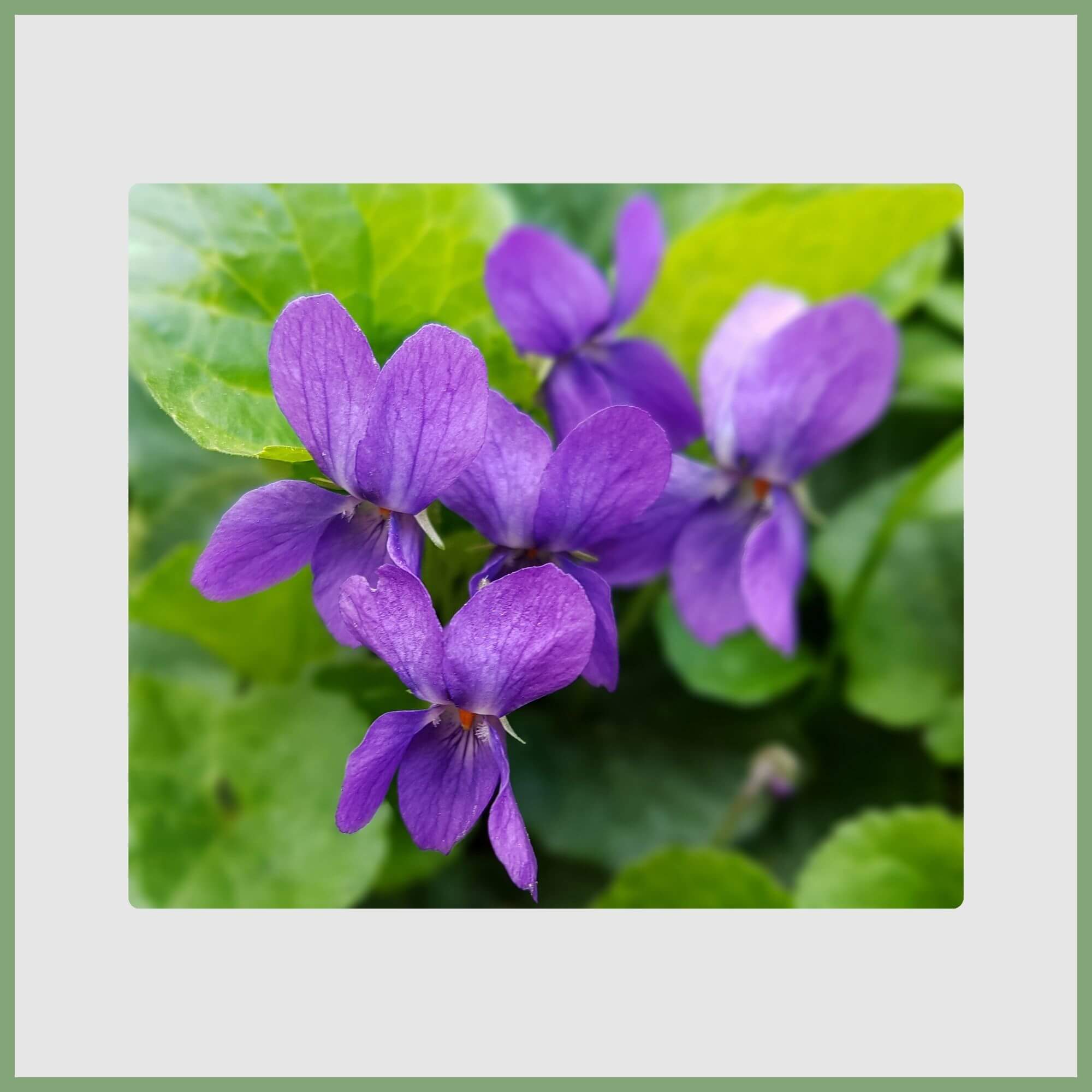
Sweet violets have captivated poets and perfumers for millennia with their heart-shaped leaves and demure flowers. Napoleon Bonaparte was so devoted to violets that he wore them as his personal emblem. The flowers contain a compound called ionone that temporarily desensitizes your nose’s scent receptors. This explains why their fragrance mysteriously seems to disappear and reappear when you smell them repeatedly.
24. Zinnia – Zinnia elegans
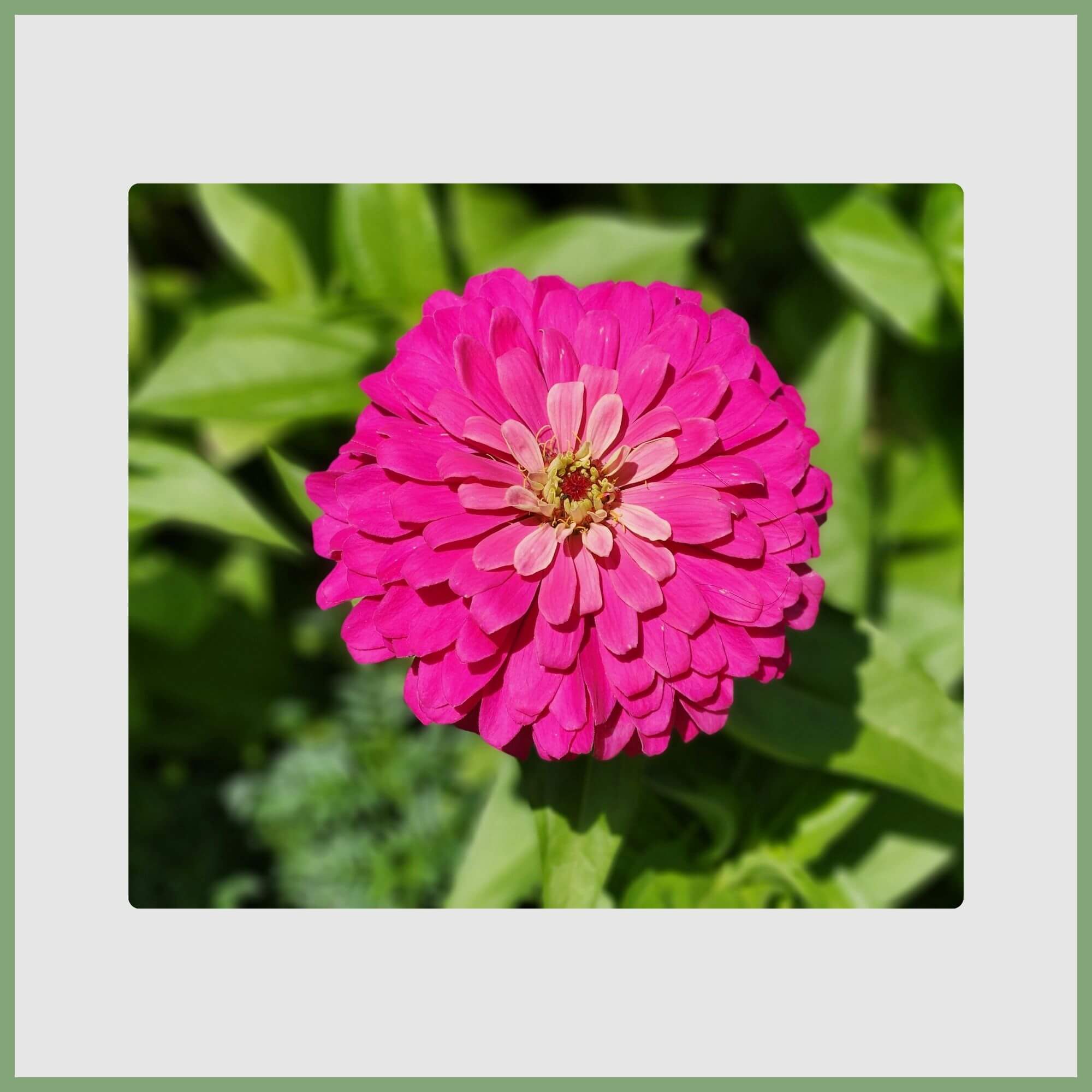
Zinnias live by the gardener’s principle that “the more you cut, the more they bloom.” This makes them perfect for continuous bouquets throughout summer and fall. Native to Mexico, they’ve become quintessentially American summer flowers. They attract butterflies and hummingbirds in droves while offering every color except true blue.
25. Calendula – Calendula officinalis
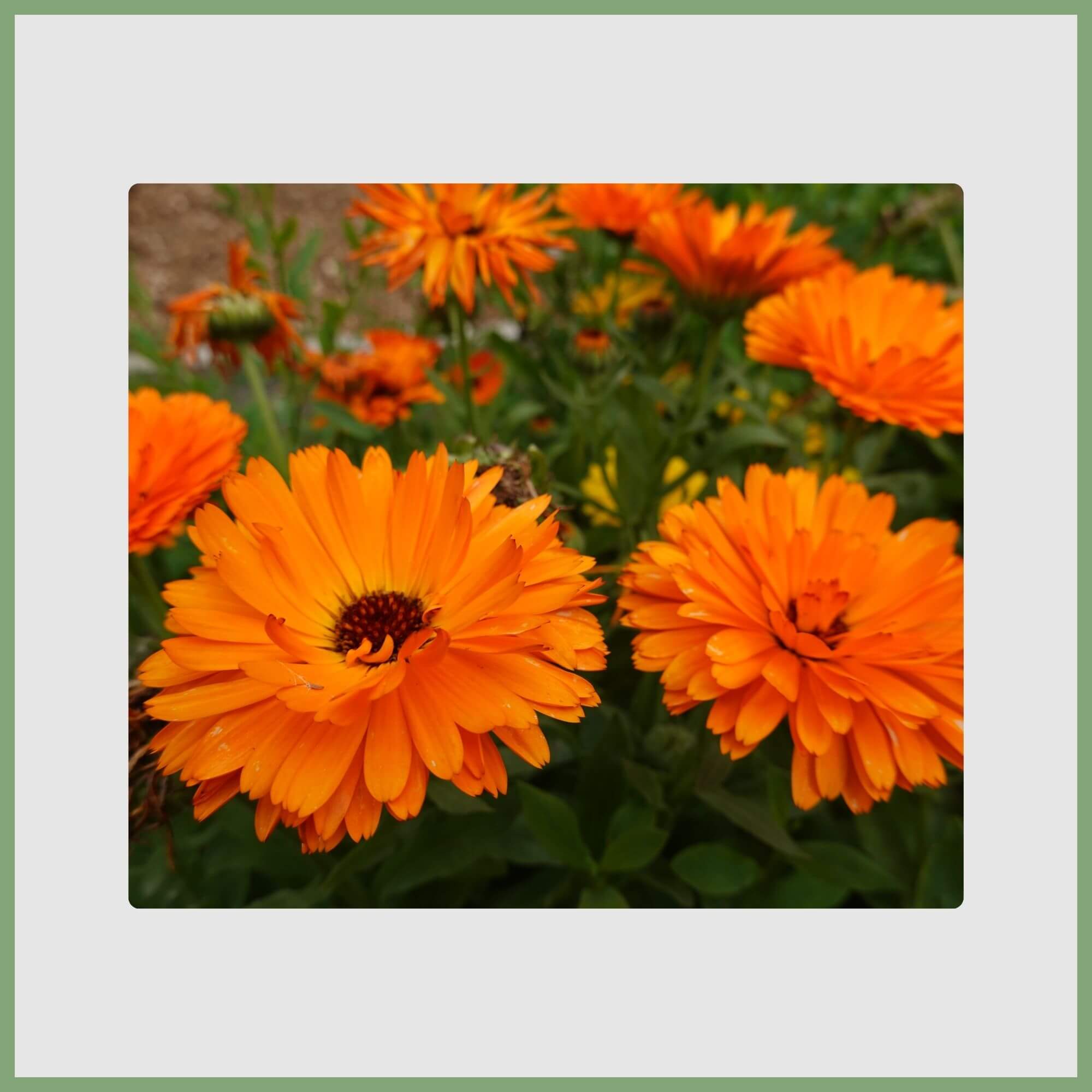
Calendula, or pot marigold, has been used medicinally for over a thousand years. It heals wounds, soothes skin irritations, and reduces inflammation. The bright orange or yellow petals are completely edible with a slightly peppery flavor. Historically, they were used as “poor man’s saffron” to color rice, soups, and butter.
26. Camellia – Camellia japonica
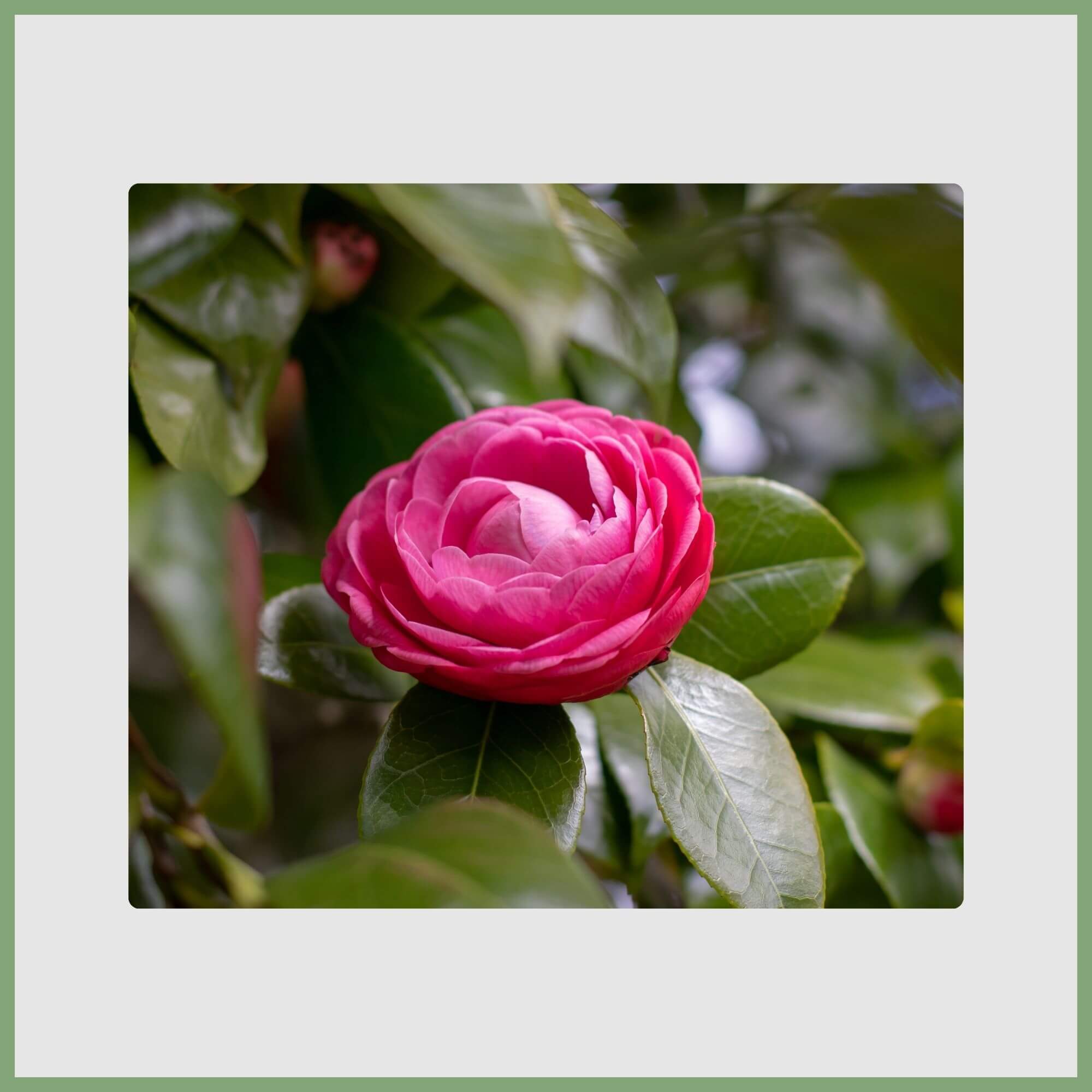
Camellias are winter’s aristocrats, producing perfect rose-like blooms when most gardens lie dormant. Their glossy evergreen leaves provide year-round structure and beauty. In the American South, heirloom camellias are passed down through generations like family treasures. Some specimens over 100 years old still bloom faithfully each winter.
27. Bluebell – Hyacinthoides non-scripta
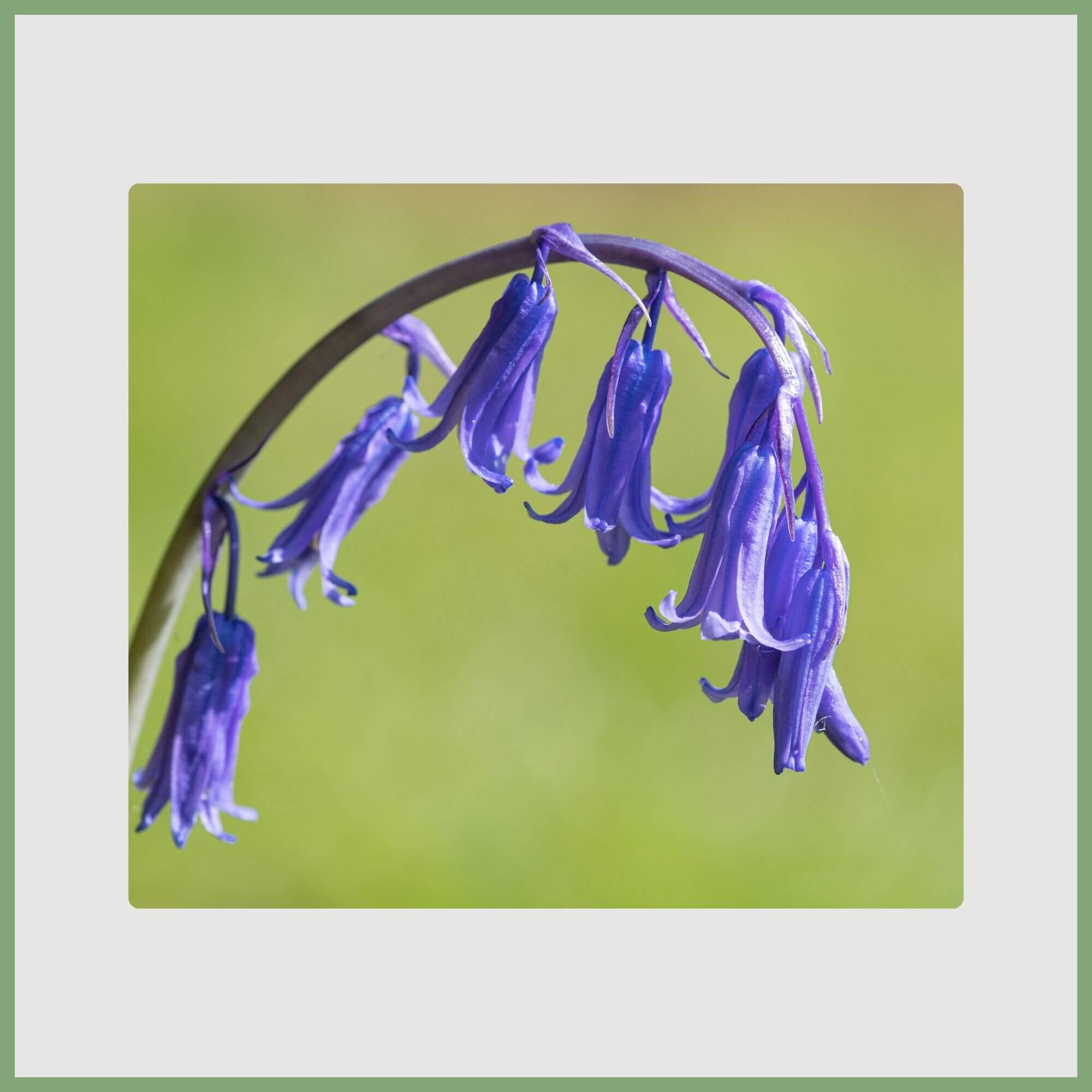
Bluebells carpet ancient woodlands in spring with a misty blue haze so magical that Britain protects these habitats by law. Nearly half the world’s bluebells grow in the UK alone. The delicate bell-shaped flowers hang gracefully on one side of the stem. According to British folklore, hearing a bluebell ring means fairies are summoning you but it also portends your death.
28. Freesia – Freesia refracta
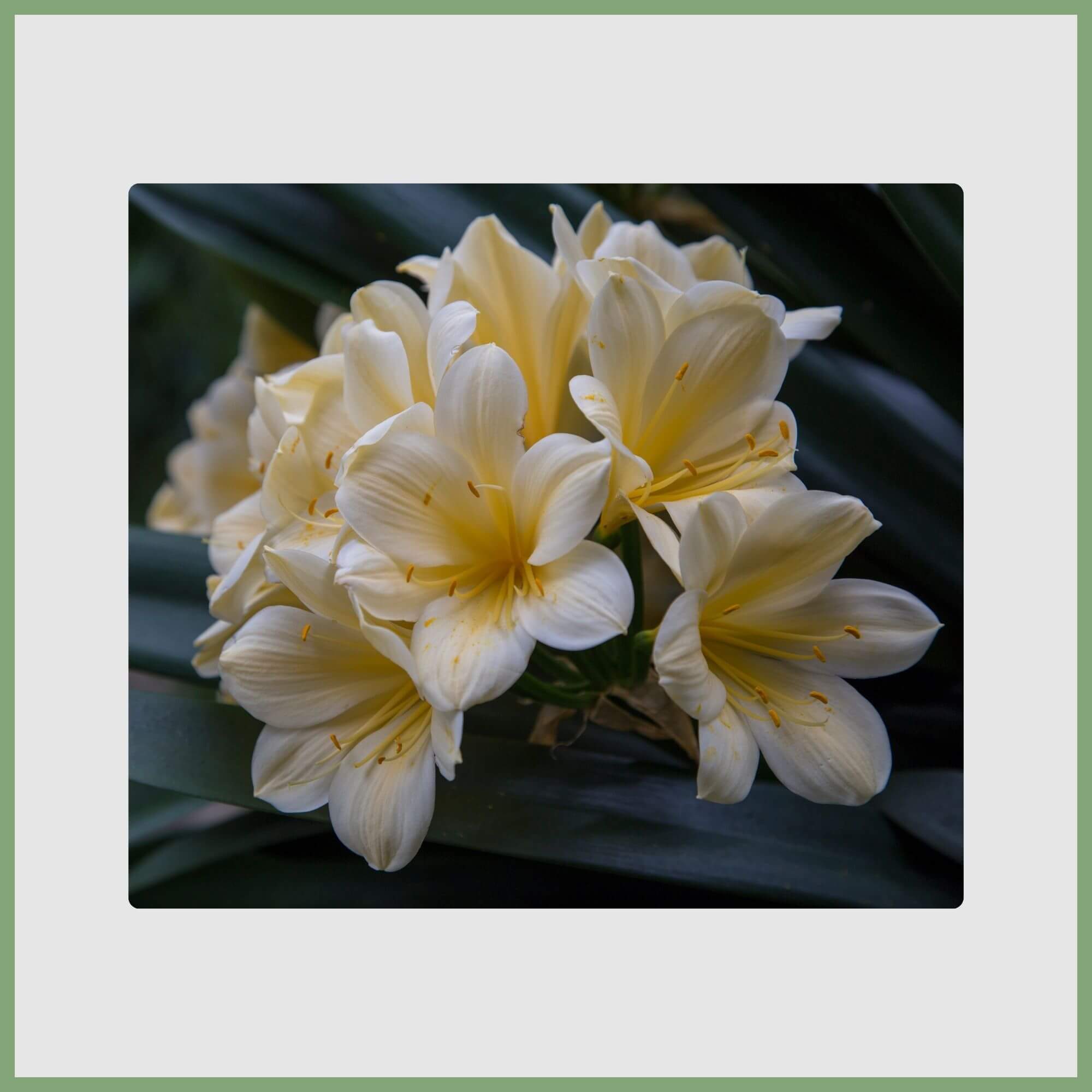
Freesias are treasured for their powerful citrus-and-honey fragrance. Just a few stems can perfume an entire room. Their tubular flowers line up along gracefully arching stems like colorful musical notes. Originally from South Africa, they’ve become wedding favorites because they symbolize innocence, trust, and thoughtfulness.
29. Foxglove – Digitalis purpurea
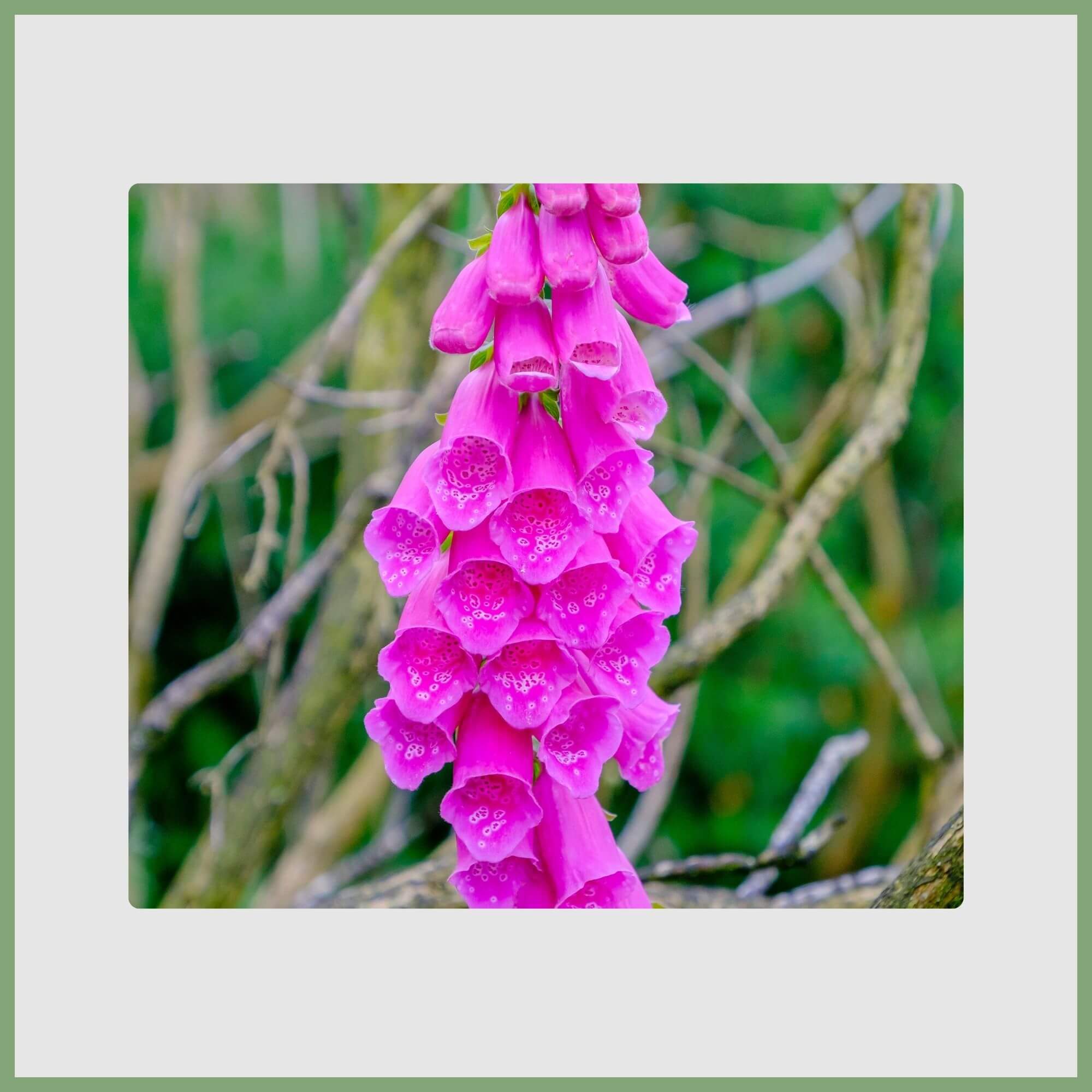
Foxgloves send up dramatic spires 4-6 feet tall covered in tubular flowers that dangle like elegant bells. Every part of this enchanting plant is highly poisonous. Yet foxglove is also the source of digoxin, a life-saving heart medication. Bumblebees crawl deep inside the spotted flowers, following the freckled “landing lights” that guide them to nectar.
30. Anemone – Anemone coronaria
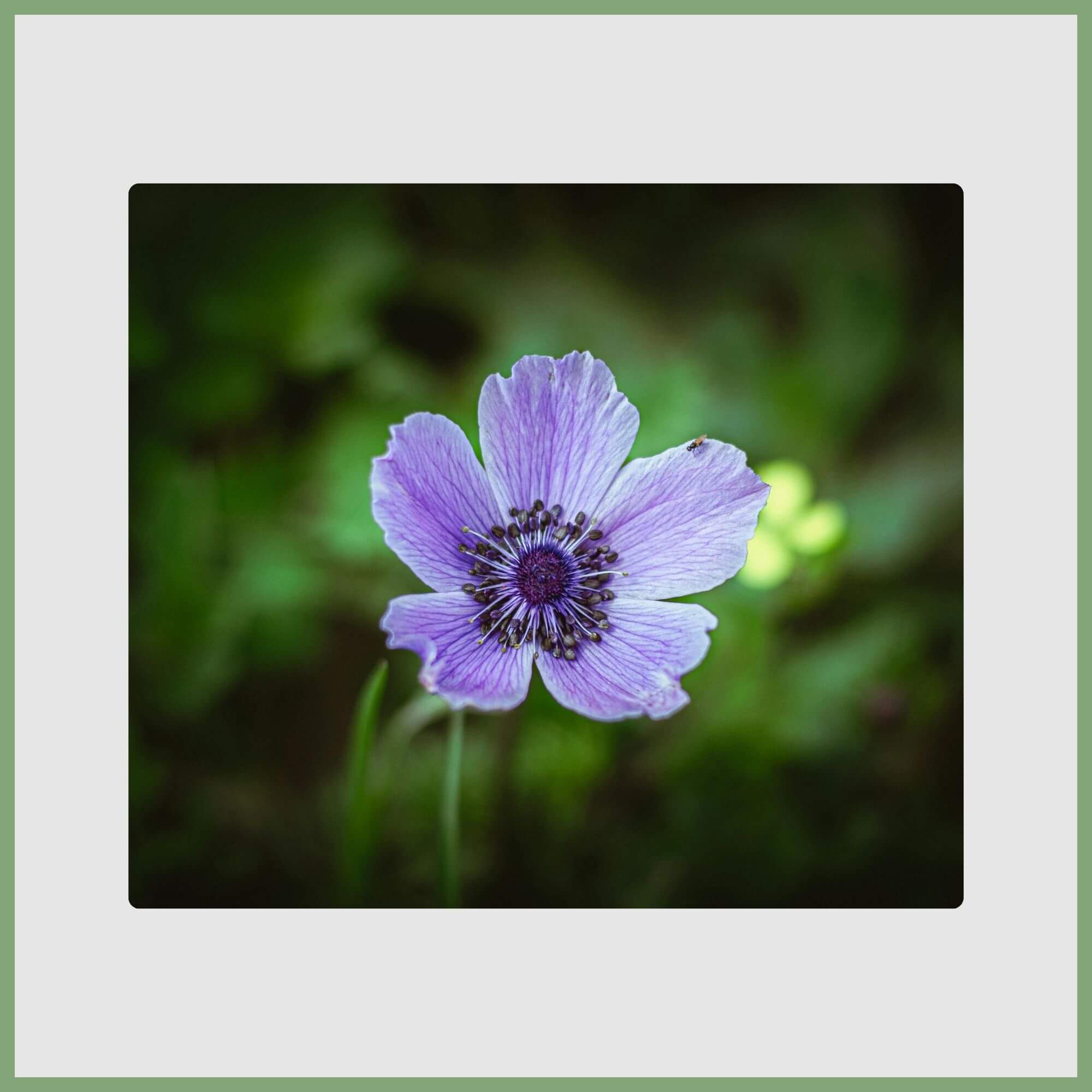
Anemones are spring’s drama queens with silky poppy-like petals in jewel tones. Their dark central boss creates striking, almost hypnotic contrast. The name derives from the Greek word for “windflower” because their delicate petals dance in the slightest breeze. Greek mythology tells how anemones sprang from Aphrodite’s tears as she mourned her lover Adonis.
31. Sweet Pea – Lathyrus odoratus
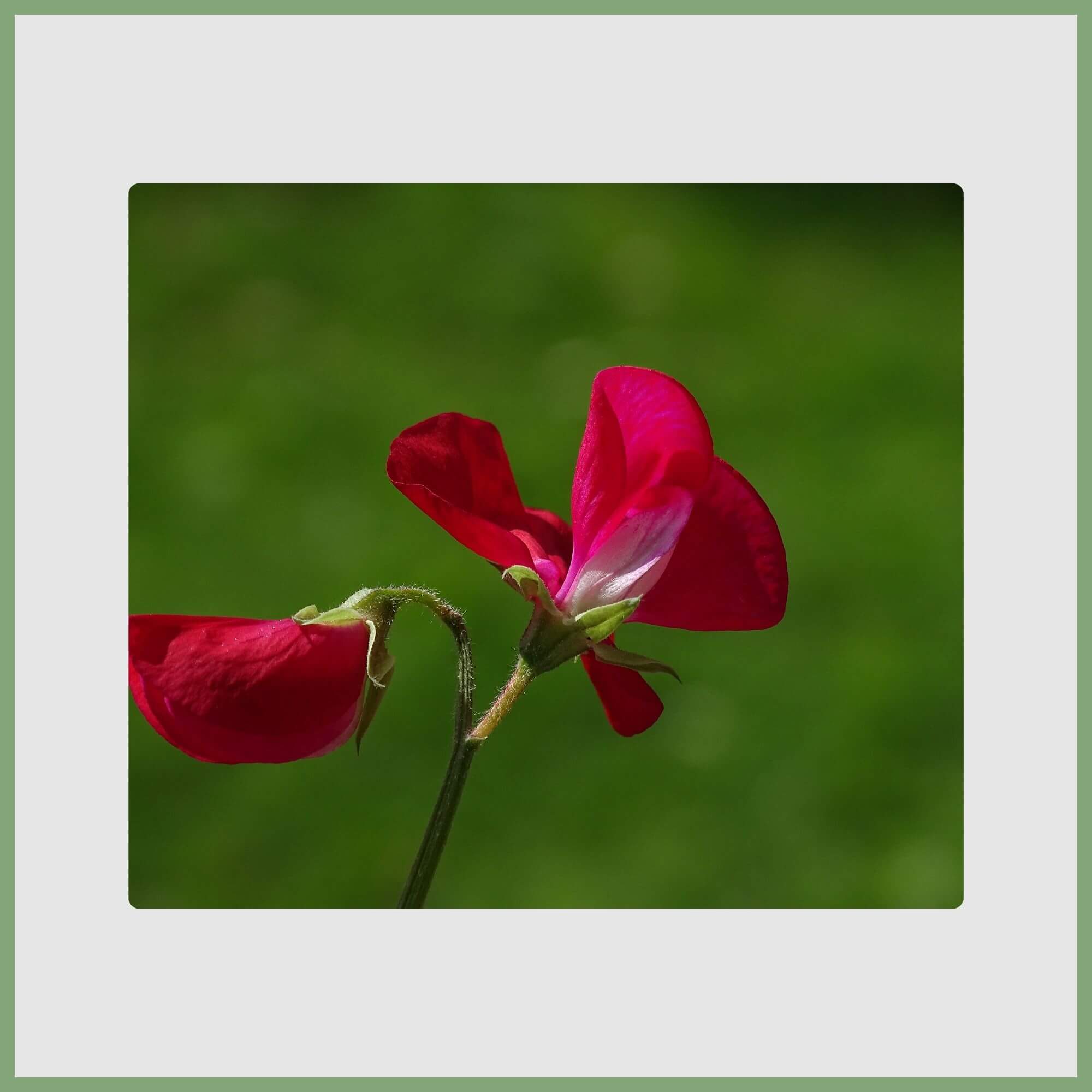
Sweet peas embody vintage charm with their ruffled butterfly-like blooms and heavenly scent. Their fragrance inspired an entire era of Edwardian perfumes. These climbing annuals were obsessively hybridized in early 1900s England. The more you harvest the flowers, the more prolifically they bloom, making them perfect for continuous bouquets.
32. Plumeria (Frangipani) – Plumeria rubra
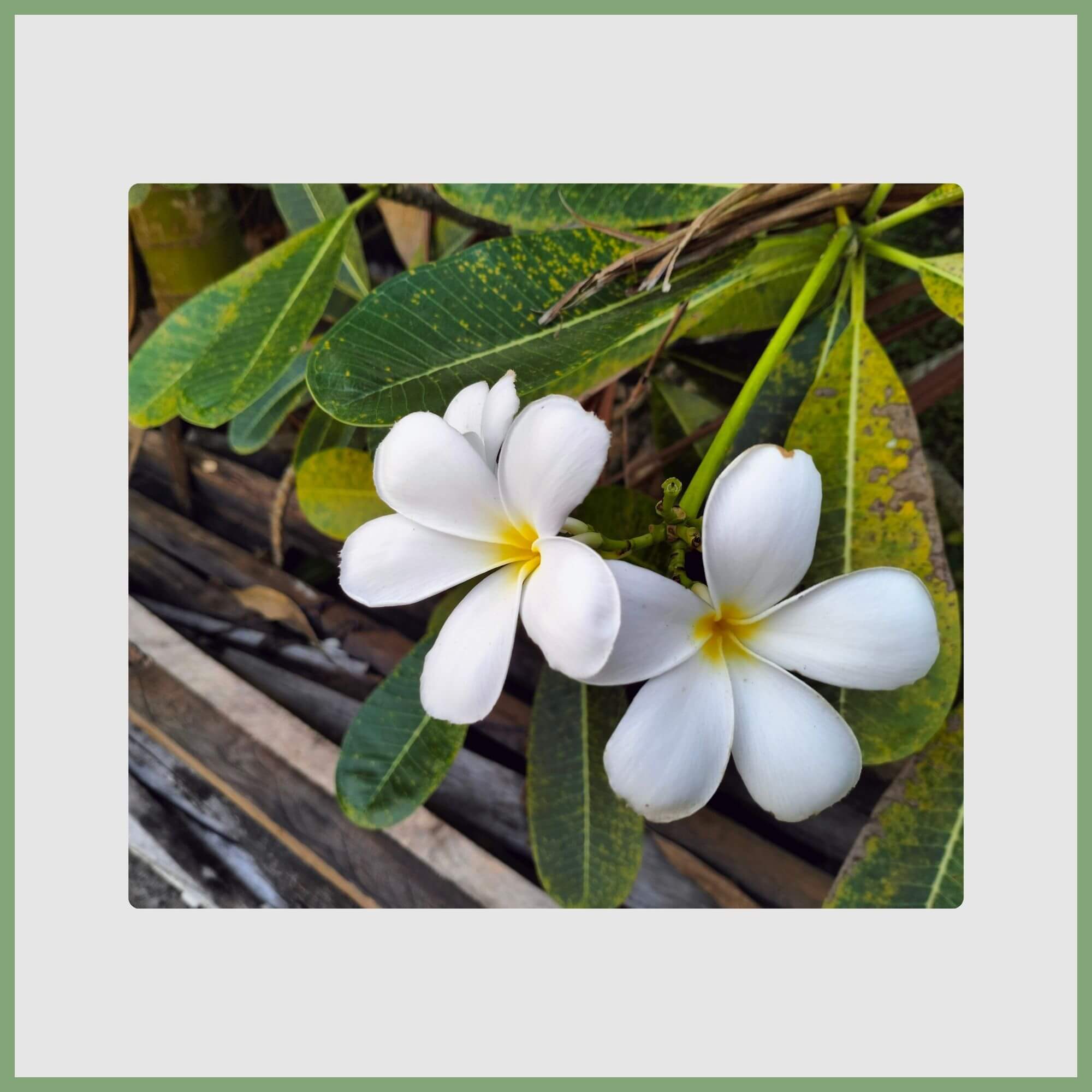
Plumerias are the quintessential tropical flowers with five-petaled blooms radiating like pinwheels. Their intoxicating fragrance blends jasmine, coconut, and citrus notes. In Hawaiian culture, these flowers are strung into traditional leis and symbolize positivity and new beginnings. Despite their delicate appearance, dried-out cuttings can be planted weeks later and will still root successfully.
33. Water Lily – Nymphaea alba
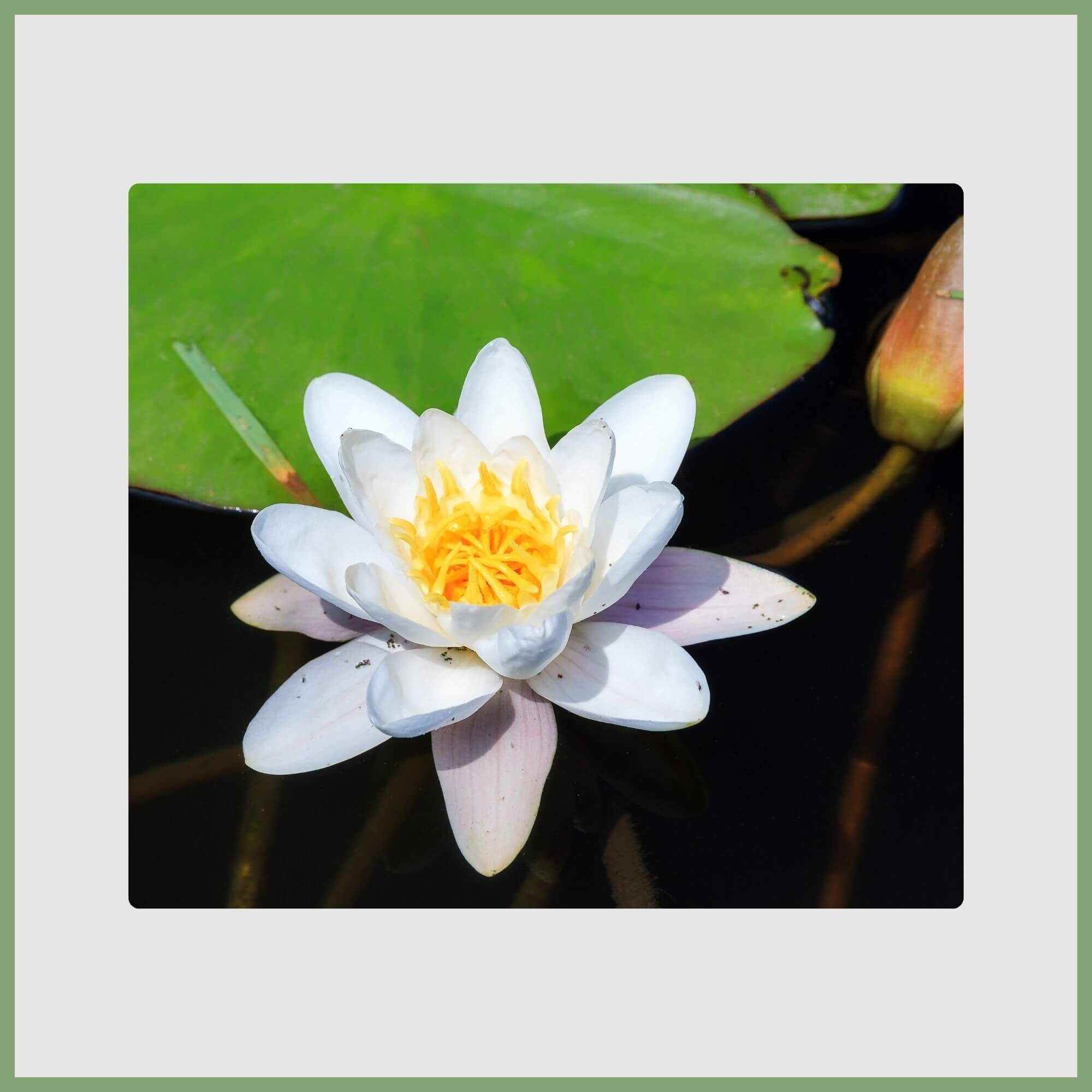
Water lilies float serenely like nature’s decorative plates, opening with morning sun and closing at dusk. Their roots anchor in muddy pond bottoms, yet flowers emerge spotlessly clean on long stems. This has made them a powerful metaphor for purity and enlightenment in Buddhism and Hinduism. Monet immortalized these architectural blooms in his famous series of paintings.
34. Gladiolus – Gladiolus hortulanus
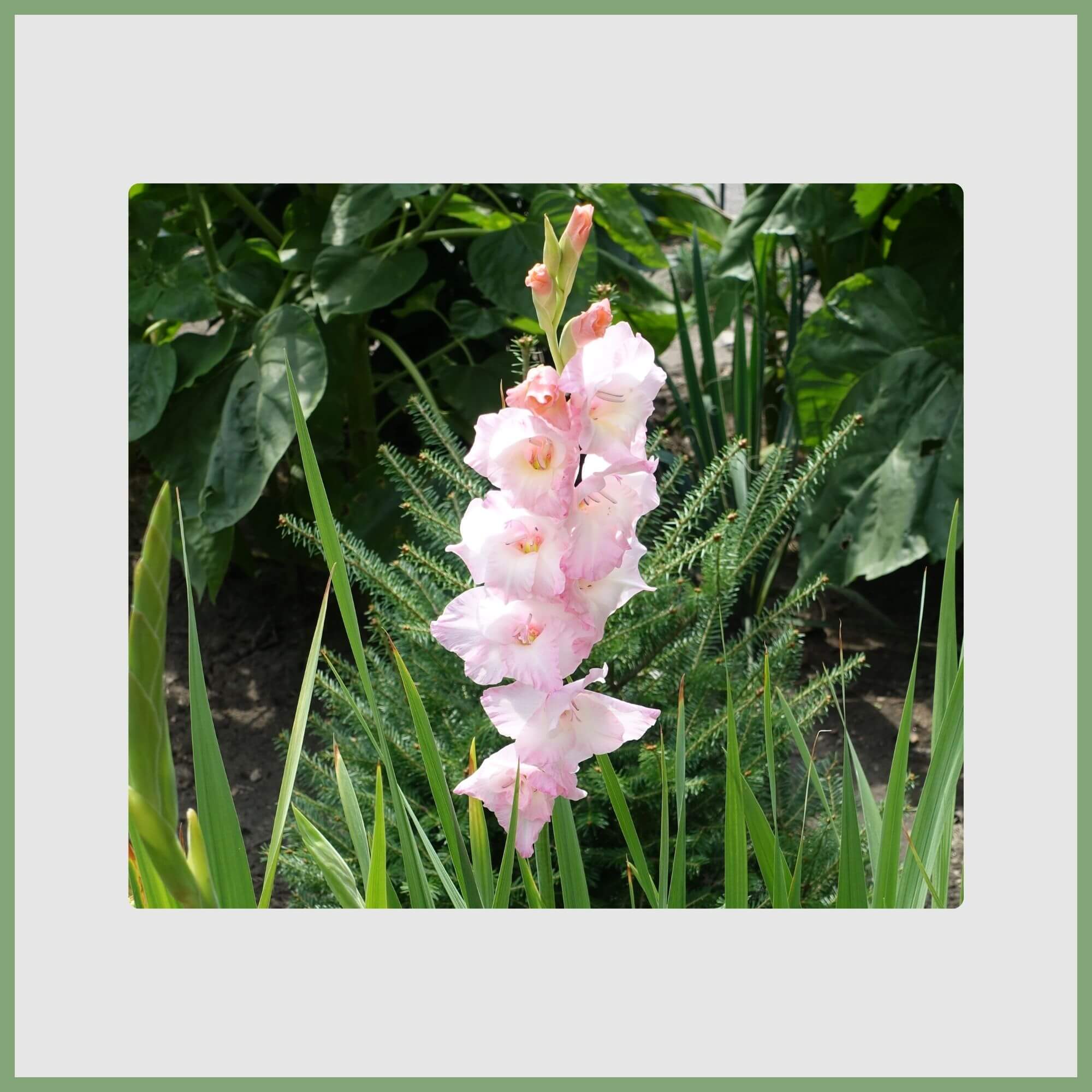
Gladiolus send up dramatic flower spikes reaching four feet tall with sword-like leaves. Their name comes from the Latin word “gladius” meaning sword. Ancient Romans believed gladiators who wore gladiolus corms around their necks would either achieve victory or die with honor. Cutting the tall flower spikes for arrangements actually encourages plants to produce even more corms for next year.
35. Azalea – Rhododendron indicum
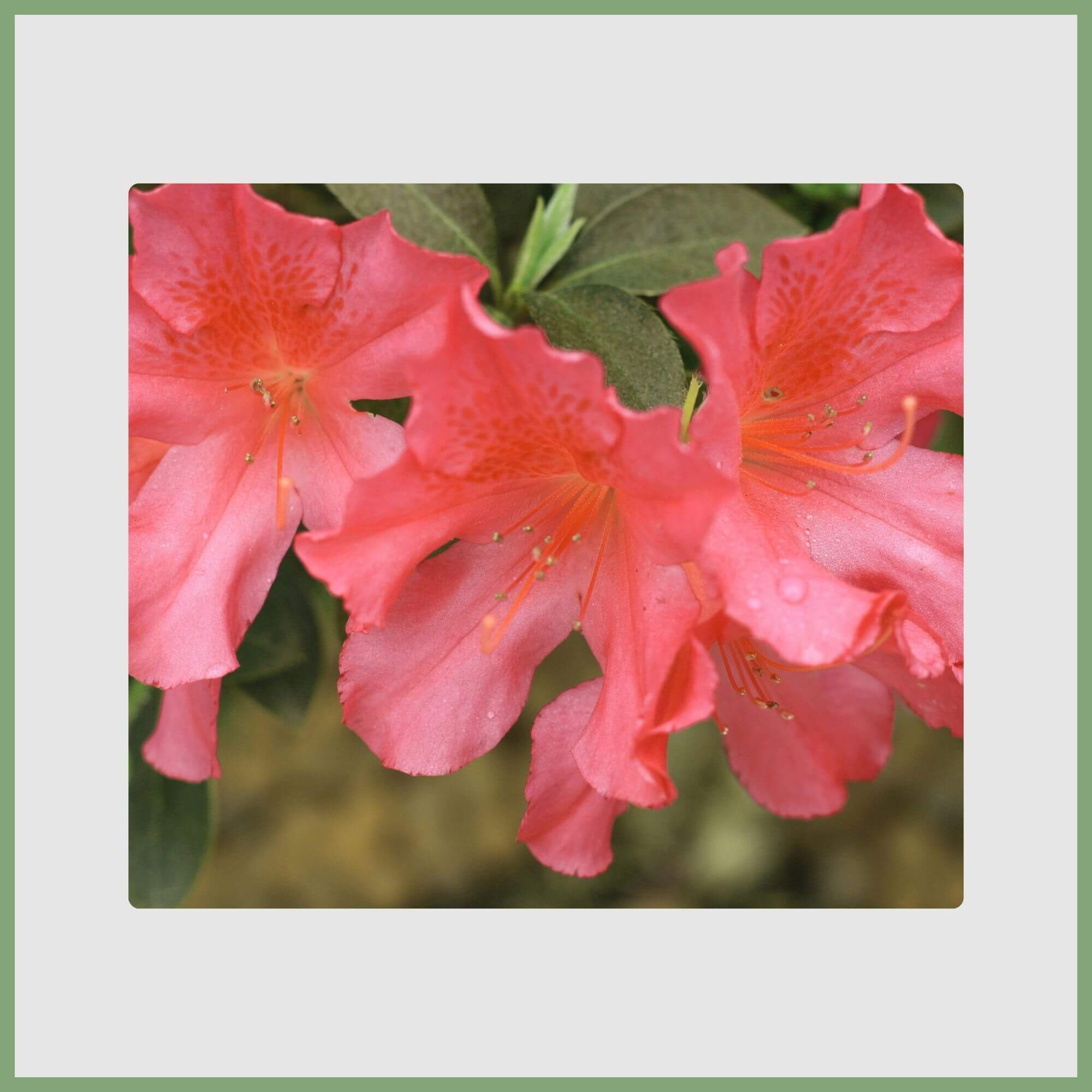
Azaleas explode into bloom each spring with such extravagant abundance that flowers completely obscure the foliage. These acid-loving shrubs become legends in Southern gardens, where historic specimens can live well over a century. The timing of azalea blooms is so culturally significant that cities host elaborate festivals. In Japan, springtime azalea viewing is a cherished traditional ritual.
36. Maranta (Prayer Plant) – Maranta leuconeura
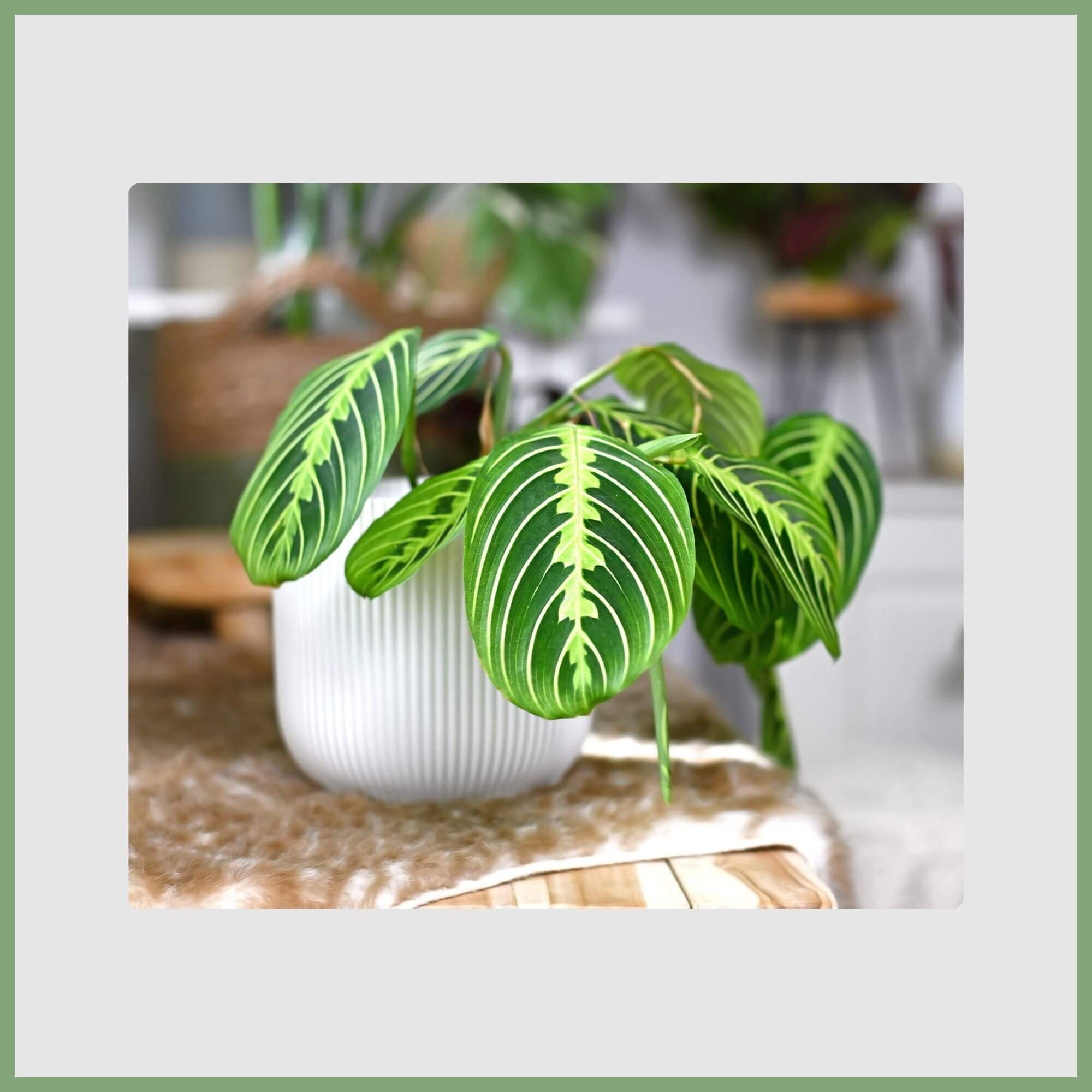
Maranta earned its name from the way its intricately patterned leaves fold upward at night like hands in prayer. This fascinating movement is called nyctinasty. The foliage features stunning herringbone patterns, red veins, and spots that look hand-painted by an artist. While primarily grown for dramatic foliage, marantas thrive in humid, low-light conditions where traditional flowering plants would fail.
How Gardeners Use Scientific Names of Flowers
When I first began gardening, I bought “lily” bulbs from a market. Later, I realized they weren’t true Lilium but a different plant entirely! That day I learned how essential scientific names are for accuracy.
Knowing botanical names helps gardeners identify correct species for soil type, sunlight, and care needs. For example, Hibiscus rosa-sinensis prefers tropical humidity, while Lavandula angustifolia thrives in dry, sunny areas.
Conclusion
Knowing the scientific names of flowers helps you understand plants in a clearer and more accurate way. Common names can change from place to place, but scientific names stay the same everywhere, which makes learning much easier. Whether you’re studying, gardening, or just curious about nature, having both the common name and the botanical name gives you a better picture of what each flower really is. It also helps you avoid confusion between flowers that look similar. With these 36 flowers and their scientific names, you now have a helpful reference that you can use anytime.
If you enjoyed learning these flower names and scientific names, you might also love exploring:
- 🌸 18+ Flowering Trees with Pink Blossoms (With Pictures) — Discover stunning trees that paint the landscape in shades of pink every spring.
- 🌼 30 Flowering Trees with White Flowers — A calming guide to elegant white-flowering trees that brighten early gardens.
- 🌺 30 Red Flowers with Names and Pictures — Dive into a colorful list of fiery red blooms symbolizing love and passion.
